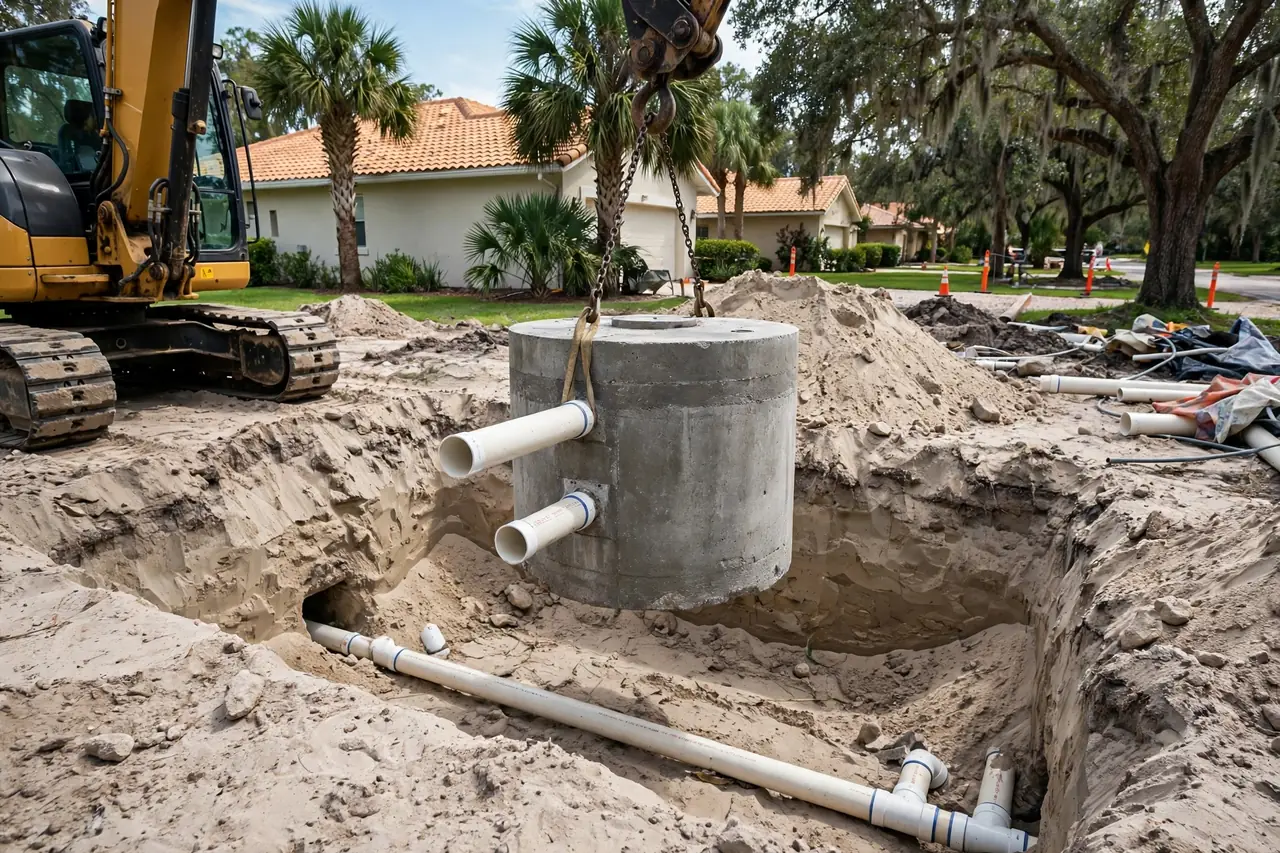
Sewer Line Service Areas
We serve Sarasota across its ZIP codes and the surrounding communities, because sewer problems are local. Soil, housing era, and pipe material change from one neighborhood to the next, and the diagnosis should change with them.
We are based at 2354 Margaret St in Sarasota, 34237, and cover 14 more areas from Bradenton to North Port. Find your town below and read what its housing stock does to sewer lines, or call (941) 344-0088 and tell us your ZIP.
Sarasota Coverage, ZIP by ZIP
Our core service area is Sarasota proper, from the barrier islands through downtown and the historic districts out to the eastern subdivisions. Each neighborhood has its own pipe story, and we maintain a dedicated page for each area below with its housing eras, dominant pipe materials, soil exposure, and the failure patterns we see there.
Downtown Sarasota (34236), St. Armands and Lido Key, Siesta Key (34242), Longboat Key (34228), Gulf Gate (34231), Bee Ridge (34233), Southgate and Pinecraft (34239), North Sarasota (34234), Palmer Ranch (34238), and Fruitville (34232) each get their own page because a 1920s clay lateral in Laurel Park and a 1970s cast-iron run under a Gulf Gate slab are different diagnostic problems.
Why the Neighborhood Matters
Sarasota's housing was built in waves, and each wave used the pipe of its era. The 1920s to 40s historic core, Laurel Park, the 1924 to 25 Mediterranean Revival bungalows of Burns Court, the Rosemary District, Gillespie Park, runs on clay tile and early cast-iron laterals. The 1950s to 60s tracts along the North Tamiami Trail corridor and Southgate added cast-iron DWV with clay laterals as slab-on-grade construction began. The 1960s to 80s slab subdivisions like Gulf Gate and Bee Ridge are the prime failure cohort: cast-iron DWV under the slab with clay or cast-iron laterals. The 1990s-plus builds at Palmer Ranch and east of I-75 transitioned to PVC and ABS, and 2000s-plus Lakewood Ranch is largely PVC with low failure risk. Knowing the era tells us what the camera is likely to find before we push it in.
Soils and Water: The Local Failure Engine
Across the service area, the same underground conditions drive the failures. Myakka fine sand, Florida's state soil, and poorly drained EauGallie fine sand dominate, and the seasonal high water table sits 0 to 3.5 feet below the surface across much of Sarasota County.
When the June to September rainy season saturates those sandy soils, they lose support around buried pipe. The result is the area's signature failure sequence: pipe bellies and sagging, settling that stresses joints until they separate, and high groundwater infiltrating every crack and separated joint in the lateral. Mature live oaks and ficus trees add root intrusion at the joints. This sequence looks the same on camera whether the line is under a downtown bungalow or a Bee Ridge ranch, the neighborhood just tells us which pipe material is living through it.
Nearby Cities We Serve
Beyond Sarasota proper, we serve the surrounding communities where the same soils and housing patterns continue.
- Bradenton, directly north in Manatee County, with its own mix of historic and mid-century housing stock.
- Venice, south county, including areas affected by the Venice Gardens sewer expansion timeline.
- North Port, where phase 1 residential septic-to-sewer conversions run toward a 2031 target.
- Osprey and Nokomis, home to Historic Spanish Point and the corridor toward Warm Mineral Springs.
Each nearby city has a dedicated service-area page with its local detail. The barrier islands, Siesta Key, Longboat Key, deserve special mention: repeated flooding from storms like Irma (2017), Ian (2022), and Helene and Milton (2024) leaves island sewer infrastructure with exposure the mainland does not see.
The Septic-to-Sewer Factor by Area
Where you are in the county also determines where you sit in the septic-to-sewer transition. The Bee Ridge treatment plant is upgrading from 12 to 18 MGD of advanced treatment capacity, the Venice Gardens expansion has slipped toward roughly 2029, and North Port's phase 1 residential conversions target 2031, all under the Florida 2030 septic deadline.
Properties still on septic in these transition zones face a different decision tree than properties already on sewer: repair the line, or plan the conversion. Our area pages note where the county program touches each neighborhood so homeowners can see the bigger picture, not just the pipe in their yard.
How to Find Your Area Page
Use the area cards below to open the page for your neighborhood or city. Each one covers the local housing eras and pipe materials, the soil and water exposure, nearby landmarks for orientation, and the weather and storm angles that affect sewer lines there, plus answers to the questions residents of that area ask most.
If your property sits on a boundary or you are not sure which page fits, call (941) 344-0088 and describe your location. We will point you to the right page and, more importantly, schedule the camera inspection that answers the actual question: what is happening inside your line.
How Sewer Risk Differs Across the Route
Drive the route and the pipe under the houses changes every few miles. On the barrier islands, Siesta Key, Lido Key, and Longboat Key, the water table sits just below the surface and storm surge pushes groundwater through every open joint, so infiltration and corrosion set the agenda.
In the older in-city neighborhoods, downtown, Southgate, and North Sarasota, the enemy is age itself: clay tile and cast iron installed generations ago, now thinned, scaled, and root-split. In the mainland suburbs, Gulf Gate, Bee Ridge, Palmer Ranch, and Fruitville, the stock is newer but cast-iron-under-slab dominates, with roots close behind.
South of the city, Venice, Osprey, Nokomis, and North Port add a variable the rest of the route lacks: septic. A home there may sit on a drainfield, be mid-conversion, or already tie into county sewer, and the right repair depends on which. Bradenton mirrors Sarasota's oldest stock. Your town's card names its pattern.
Full ZIP Coverage, Town by Town
Every ZIP we serve, grouped under its area page. Where a ZIP appears twice (34236 covers downtown and the islands), either page describes the same crew and process.
- Sarasota (home base): 34237
- Downtown Sarasota: 34236
- St. Armands and Lido Key: 34236
- Siesta Key: 34242
- Longboat Key: 34228
- Gulf Gate: 34231
- Bee Ridge: 34233
- Southgate and Pinecraft: 34239
- North Sarasota: 34234, 34243
- Palmer Ranch: 34238
- Fruitville: 34232, 34240
- Bradenton: 34205, 34208, 34209
- Venice: 34285, 34292, 34293
- North Port: 34286, 34287, 34288
- Osprey and Nokomis: 34229, 34275
What Happens When You Call From Outside Sarasota
A call from Venice or Bradenton gets the same process as a call from across the street. Describe the symptoms, and we will ask which fixtures are affected, whether the trouble follows rain, and whether the home is on septic or sewer. That interview decides what rides on the truck.
On site, the camera goes in before any repair talk, in North Port exactly as in Gulf Gate. While you wait, two guides cover what cannot sit overnight: multiple drains backing up when several fixtures fail together, and sewage backing up into the tub, an emergency call every time. Distance changes the drive, never the diagnosis.
All Service Areas
Every town on the route gets its own page, its own ZIP list, and the sewer problems its housing stock actually produces.
Sarasota
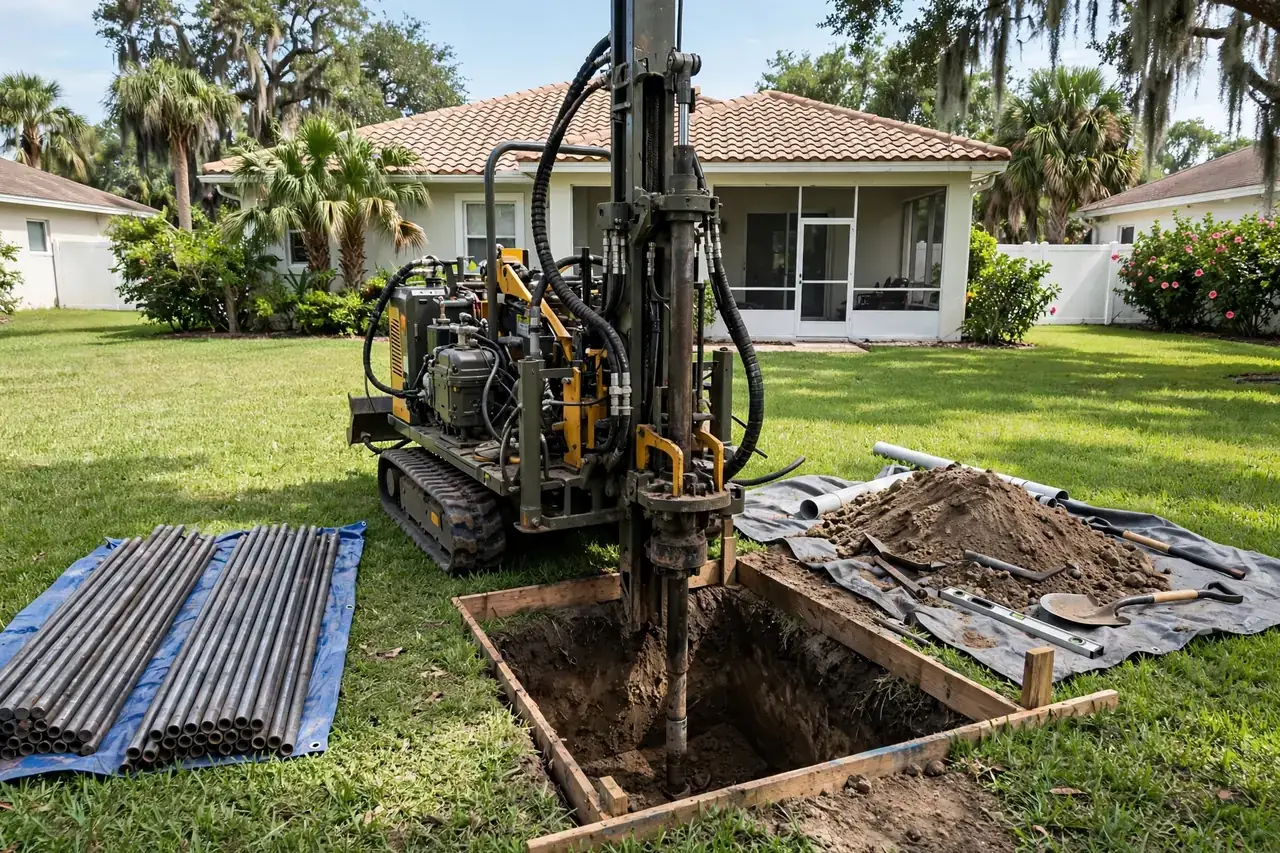
Our home base at 2354 Margaret St, holding every pipe era in the county: century old clay near the bayfront, cast iron under mid-century slabs, PVC in the east.
Sarasota sewer services →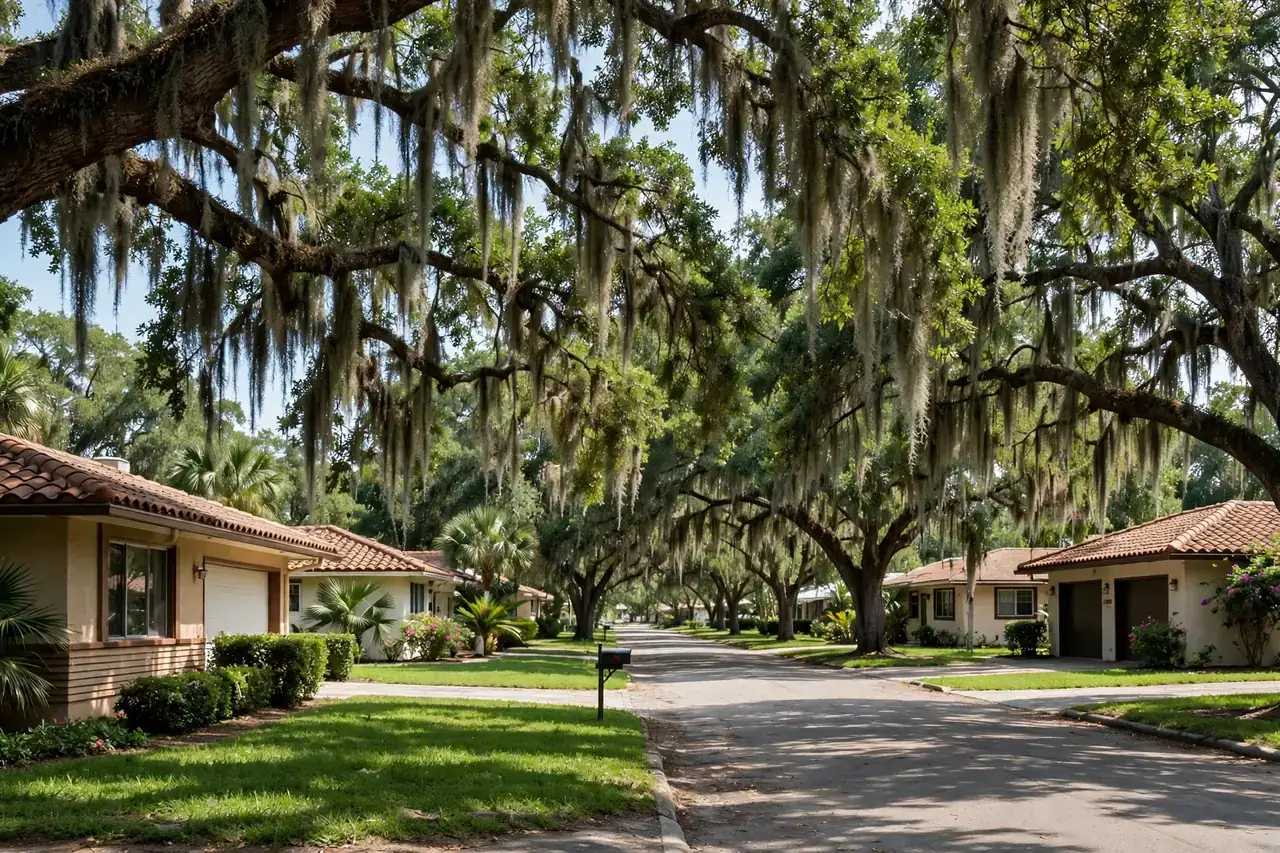
Bee Ridge
Seventies to nineties subdivisions on poorly drained EauGallie soils, flooded hard in Debby. Storm-stressed laterals and infiltration drive most post-rain calls.
Sewer services in Bee Ridge →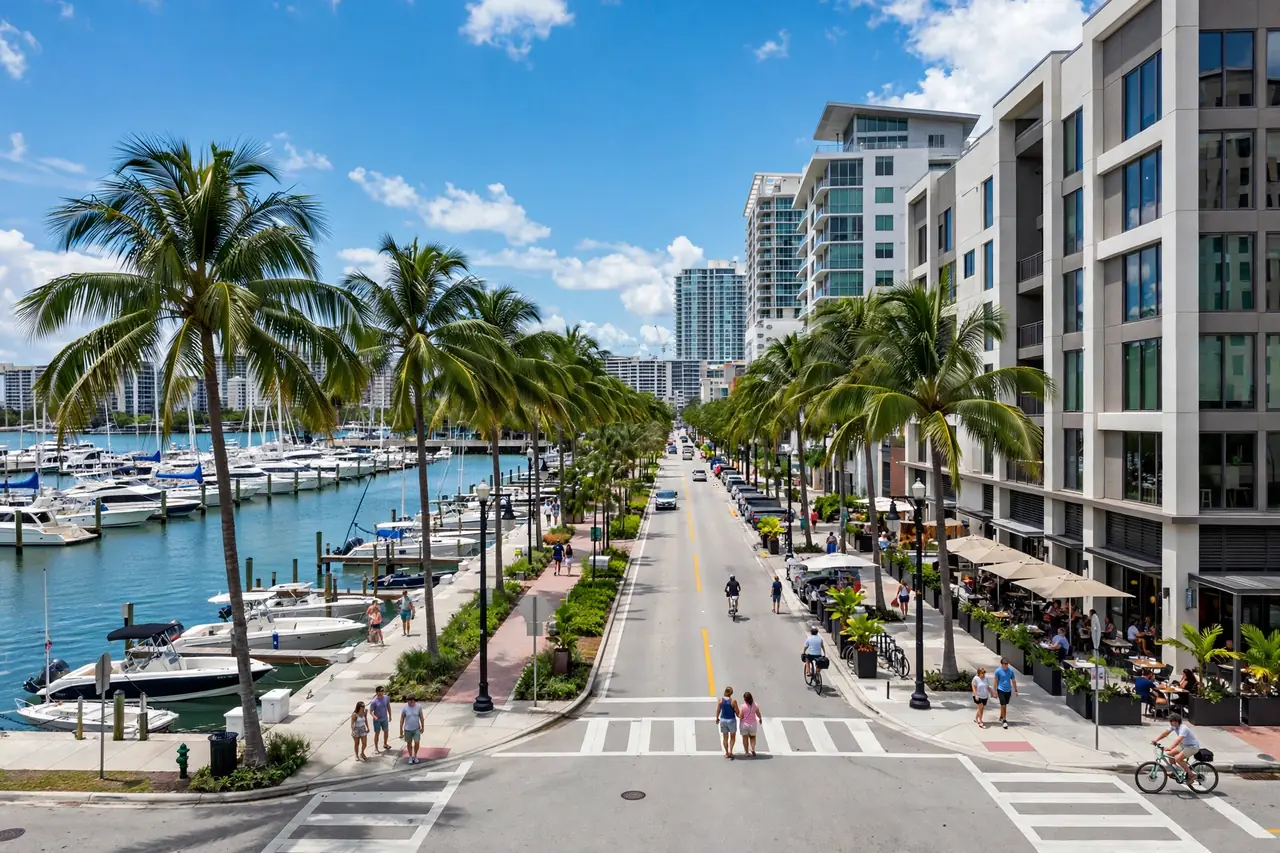
Bradenton
Just north in Manatee County: some of the region's oldest clay lines near the riverfront, plus Sarasota's mid-century cast-iron-under-slab problems.
Sewer services in Bradenton →Downtown Sarasota
The oldest laterals on the route, clay tile and early cast iron under Laurel Park, the Rosemary District, and Gillespie Park. Small lots and mature trees make trenchless the default.
Sewer services in Downtown Sarasota →Fruitville
The eastward growth corridor, where 1970s ranch homes sit beside brand-new PVC subdivisions. The first step is learning which pipe a home actually has.
Sewer services in Fruitville →Gulf Gate
The classic 1960s to 70s slab subdivision, heart of Sarasota's cast-iron failure wave. Under-slab corrosion here is a when, not an if, and lining beats breaking concrete.
Sewer services in Gulf Gate →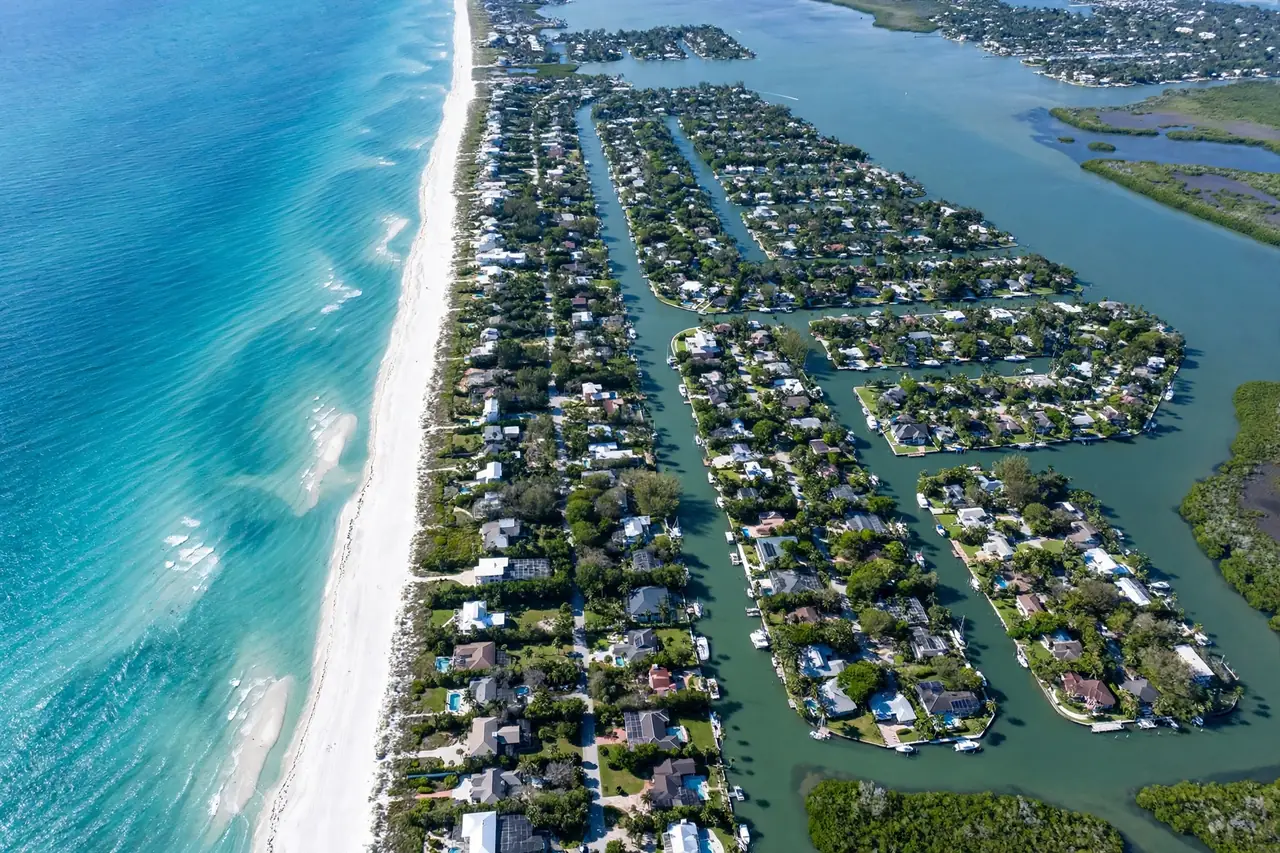
Longboat Key
A narrow island of condos and resorts whose 1960s to 80s building laterals are aging out together. HOA coordination keeps repairs from shutting a building down.
Sewer services in Longboat Key →North Port
The county's largest growth area, a third of it on septic, conversions ahead. Newer PVC laterals fail here at joints and bellies.
Sewer services in North Port →North Sarasota
Postwar tract homes along the North Tamiami Trail corridor: cast iron under the slab, clay laterals to the street, both ending their working life together.
Sewer services in North Sarasota →Osprey & Nokomis
Two pipe stories a few miles apart: Casey Key estates and older US-41 corridor homes, some still on septic.
Sewer services in Osprey & Nokomis →Palmer Ranch
Nineties-and-newer master-planned neighborhoods at the cast iron to PVC transition point. Heavy landscaping over easements makes root intrusion the defining problem.
Sewer services in Palmer Ranch →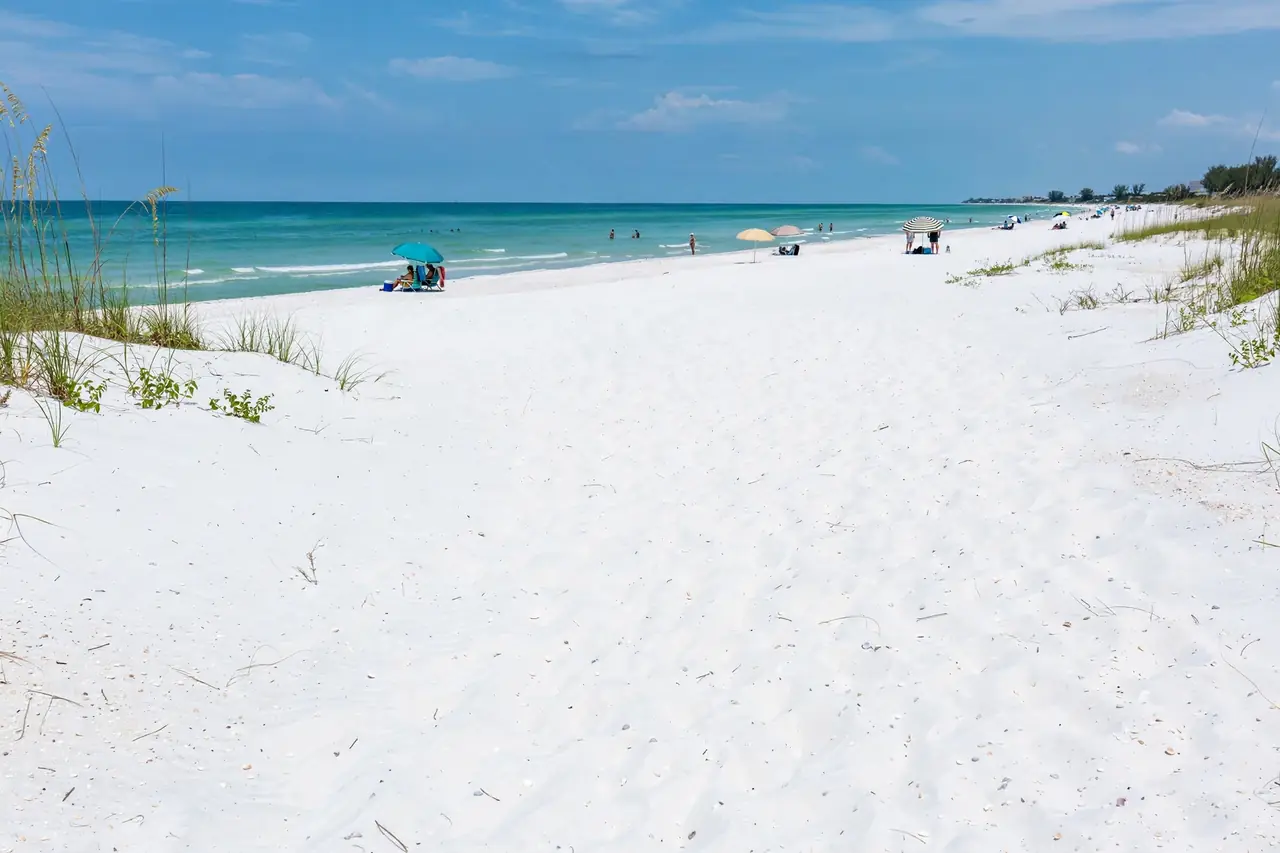
Siesta Key
One ZIP, eight miles of island: mid-century laterals, septic pockets, and surge flooding exposing every weak joint. Rainy season backups here usually trace to infiltration.
Sewer services in Siesta Key →Southgate & Pinecraft
Fifties to seventies homes plus Pinecraft's Amish cottages on some of the oldest private lines in the area. Pre-season inspections catch trouble before December.
Sewer services in Southgate & Pinecraft →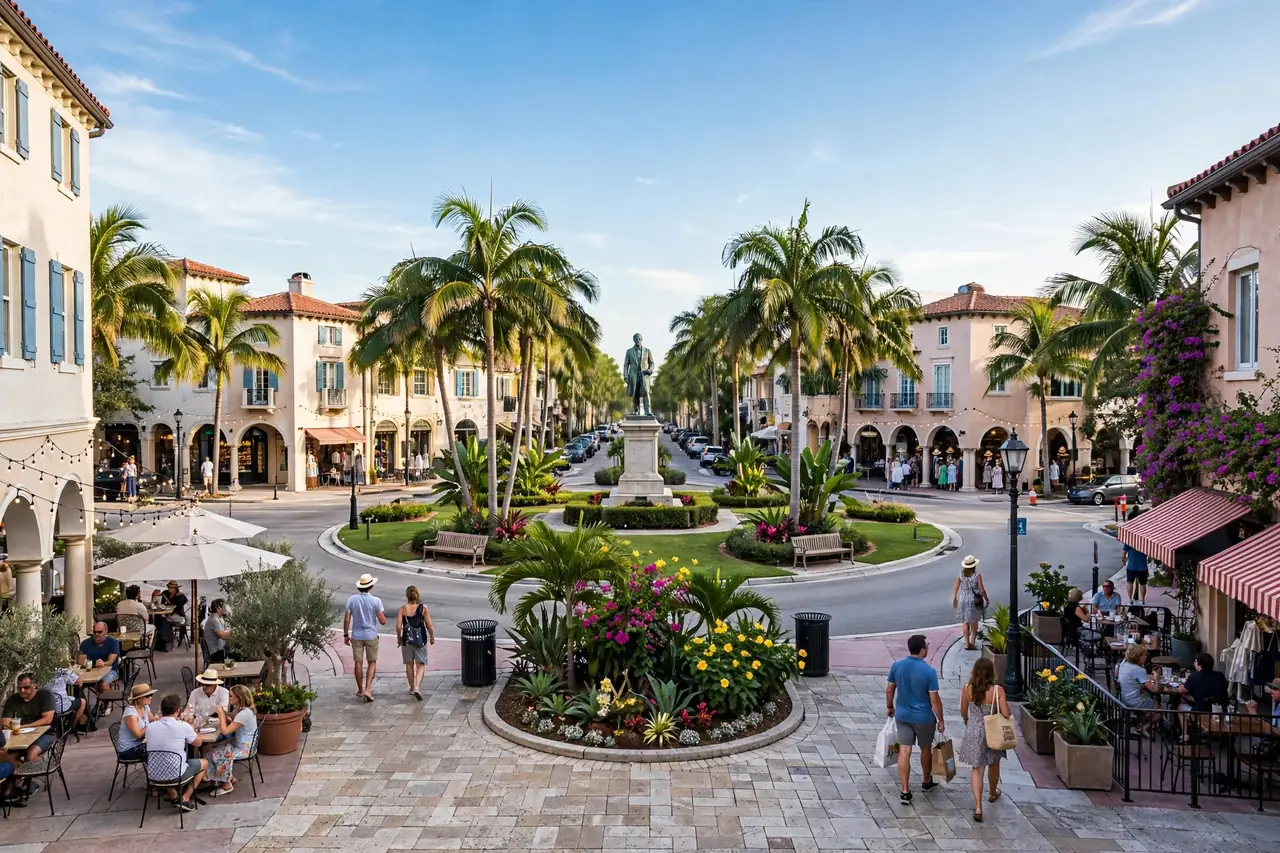
St. Armands & Lido Key
Barrier island laterals in a very high water table with repeated storm surge. Tight lots around the Circle mean jobs start with a camera and a locate.
Sewer services in St. Armands & Lido Key →Venice
Old island homes, a sewer system mid-transition, and South Venice's conversion still pending. Which side of the septic line a home sits on changes the diagnosis.
Sewer services in Venice →Frequently Asked Questions
Do you serve Siesta Key and Longboat Key?
Yes. Both barrier islands are in our service area. Island sewer lines carry extra exposure from repeated storm flooding, Irma, Ian, Helene, and Milton all hit the islands, so our island area pages cover the flood-related failure patterns mainland pages do not.
Do you work outside Sarasota city limits?
Yes. We serve Bradenton, Venice, North Port, Osprey, and Nokomis in addition to Sarasota proper. The same soils, water table, and housing-era patterns extend across these communities, and each has a dedicated service-area page.
Why does my neighborhood change the diagnosis?
Housing era determines pipe material: 1920s clay tile in the historic core, 1950s to 60s cast iron along the Tamiami corridor, 1960s to 80s cast-iron-under-slab in Gulf Gate and Bee Ridge, PVC in 2000s-plus builds. The material sets the failure mode, so the neighborhood tells us what to look for.
My area is converting from septic to sewer. Can you help?
Yes. We handle the private side of septic-to-sewer conversions, abandoning the old tank to code, running the new lateral, and tying into the county main. The timeline depends on the county's project schedule for your area, so we plan each conversion around the actual infrastructure at your street.
How do I know which area page covers my home?
Find your neighborhood or ZIP among the area cards below. If you are on a boundary or unsure, call (941) 344-0088, we will match you to the right page and schedule a camera inspection so we can see exactly what your line looks like.
My town is not on the list. Can you still help?
Probably. The 15 areas on this page are where we work every week, but the edges of the route are not walls. Call (941) 344-0088 with your ZIP code and we will tell you plainly whether we can reach you on a sane timeline, or whether a closer specialist makes more sense.