Sewer Line Repair in Bee Ridge, Sarasota, FL 34233
Bee Ridge's 1970s to 90s subdivisions sit on poorly drained EauGallie soils and took heavy inland flooding from Debby in 2024. We diagnose storm-stressed laterals by camera and repair them with trenchless or traditional methods.
Inland Flooding, Not Just a Coastal Problem
Bee Ridge is not a barrier island, and that gives some homeowners a false sense of security about their sewer lines. But Tropical Storm Debby in August 2024 proved that inland flooding is a sewer-line event in its own right: streets and yards across Bee Ridge went underwater, and the water stayed. Flooded laterals settle in saturated soil, joints separate under the stress, and floodwater drives sand and debris into the pipe through any opening. A lateral that ran clean before Debby can carry a belly or a separated joint afterward, damage that is invisible from above and that compounds with every rainy season that follows.
Why Inland Flooding Hits Laterals Hard
The damage mechanism is geotechnical. Bee Ridge's laterals are buried in fine sand; when that sand sits saturated for days, it loses the compaction that holds the pipe's grade. The pipe settles unevenly, creating bellies where wastewater pools, and the settling stresses every joint in the run. Floodwater also enters the pipe through cracks and open joints, carrying silt that deposits inside and seeds future blockages. Snaking clears the silt; it does not restore the grade. Only a camera inspection shows whether the line held its shape through the flood or not.
EauGallie Soils and the Water That Won't Drain
Much of Bee Ridge sits on EauGallie fine sand, a poorly drained soil that holds water rather than shedding it. That single fact shapes the neighborhood's entire sewer story. While Myakka fine sand, Florida's state soil, drains quickly, EauGallie ground stays wet, and a lateral buried in it lives in near-constant moisture through the rainy season.
Saturated Soil and Joint Failure
From June through September, Sarasota receives roughly 60 percent of its 49 to 53 inches of annual rain, and the seasonally high water table sits 0 to 3.5 feet below grade across much of the county. In EauGallie soils the ground stays saturated between storms, not just during them. That prolonged saturation does two things: it keeps groundwater pressing against the lateral's joints for weeks at a time, and it keeps the soil soft enough for the pipe to keep settling. The result is the classic Bee Ridge pattern, drains that slow every summer and partially recover each winter, until the summer they do not recover. Homeowners who notice that pattern should treat it as joint failure in progress, not a plumbing quirk.
Bellies in Poorly Drained Ground
Pipe bellies form when the soil beneath a lateral settles and the pipe sags with it. In well-drained ground this can take decades; in poorly drained EauGallie ground, saturated and soft for months at a time, it happens faster. A belly is a quiet failure, flow slows, solids settle in the sag, and the restriction grows until backups begin. Camera inspection locates bellies by exact footage mark and depth, which is what makes a targeted repair possible.
1970s to 90s Subdivisions and Their Pipes
Bee Ridge developed as a suburban residential corridor from the 1970s through the 1990s, and its laterals reflect that span. The older end of the range, 1970s and early 1980s construction, carries cast-iron DWV under the slab and cast-iron or clay tile laterals to the main, squarely in Sarasota's prime failure cohort. The later end, from the 1990s, is transitional: some homes were still plumbed with cast iron, while others got early PVC as the industry shifted.
Knowing Your Line's Generation
The home's age narrows the possibilities but does not settle the question, renovations, partial replacements, and builder variation mean the only way to know a lateral's material is to look at it. A camera survey records the pipe material at every foot of the run, so a 1985 home with an original cast-iron lateral and a 1985 home whose line was replaced with PVC in 2010 get different recommendations based on evidence, not assumptions. If your Bee Ridge home dates to the 1970s or 1980s and has never been inspected, the odds favor original pipe approaching the end of its service life.
The Bee Ridge Treatment Plant Upgrade
The Bee Ridge Water Reclamation Facility is undergoing a major upgrade from 12 to 18 million gallons per day of advanced treatment capacity, part of Sarasota County's broader push to modernize wastewater infrastructure ahead of Florida's 2030 septic deadline. It is a significant investment in the area's public sewer system, and it matters for homeowners to understand exactly what it does and does not change.
Public Plant, Private Lateral
The upgrade improves what happens to wastewater after it reaches the plant; it does nothing for the private lateral that carries wastewater from your home to the main. Infiltration through cracked joints, bellies from settling soil, root intrusion from mature trees, none of these are affected by treatment capacity. In fact, there is an indirect connection worth knowing: as the county's septic-to-sewer program connects more homes to the system ahead of the 2030 deadline, the collection mains see more flow, and a private lateral that was marginal before can become the bottleneck. Homeowners in the 34233 area should think of the plant upgrade as a reason to make sure their own line is sound, not as a fix for it.
Mature Trees and Root Intrusion
Bee Ridge's subdivisions have had decades to grow their canopy, and mature live oaks and ficus trees now shade streets whose laterals were laid when the trees were saplings. Roots do not break sound pipe, they exploit joints that have already deteriorated, following the moisture leaking from aged mortar or corroded cast-iron joints into the pipe, where they expand into the fibrous masses that trap waste and block flow.
Ending the Root Cycle
Mechanical root cutting clears the blockage for a season, but the roots return because the entry point, the failed joint, is still there. Permanent root removal means addressing the joint itself: pipe lining seals every joint in the run from the inside, and pipe bursting replaces the old pipe with a new continuous line that has no joints for roots to find. If your Bee Ridge lateral has needed root cutting more than once, the line is the problem, not the trees.
Serving Bee Ridge and the 34233 Area
We serve Bee Ridge's subdivisions across the 34233 ZIP, the 1970s to 80s streets with original cast-iron laterals, the 1990s transitional builds, and every home whose drains have been worse since Debby's flooding. Every job starts with a camera inspection and a recording you keep, because a storm-stressed lateral deserves to be seen before it is fixed.
Call (941) 344-0088 to schedule a camera inspection for your Bee Ridge home.
Sewer Services in Bee Ridge
Full-service sewer line care for Bee Ridge homes.
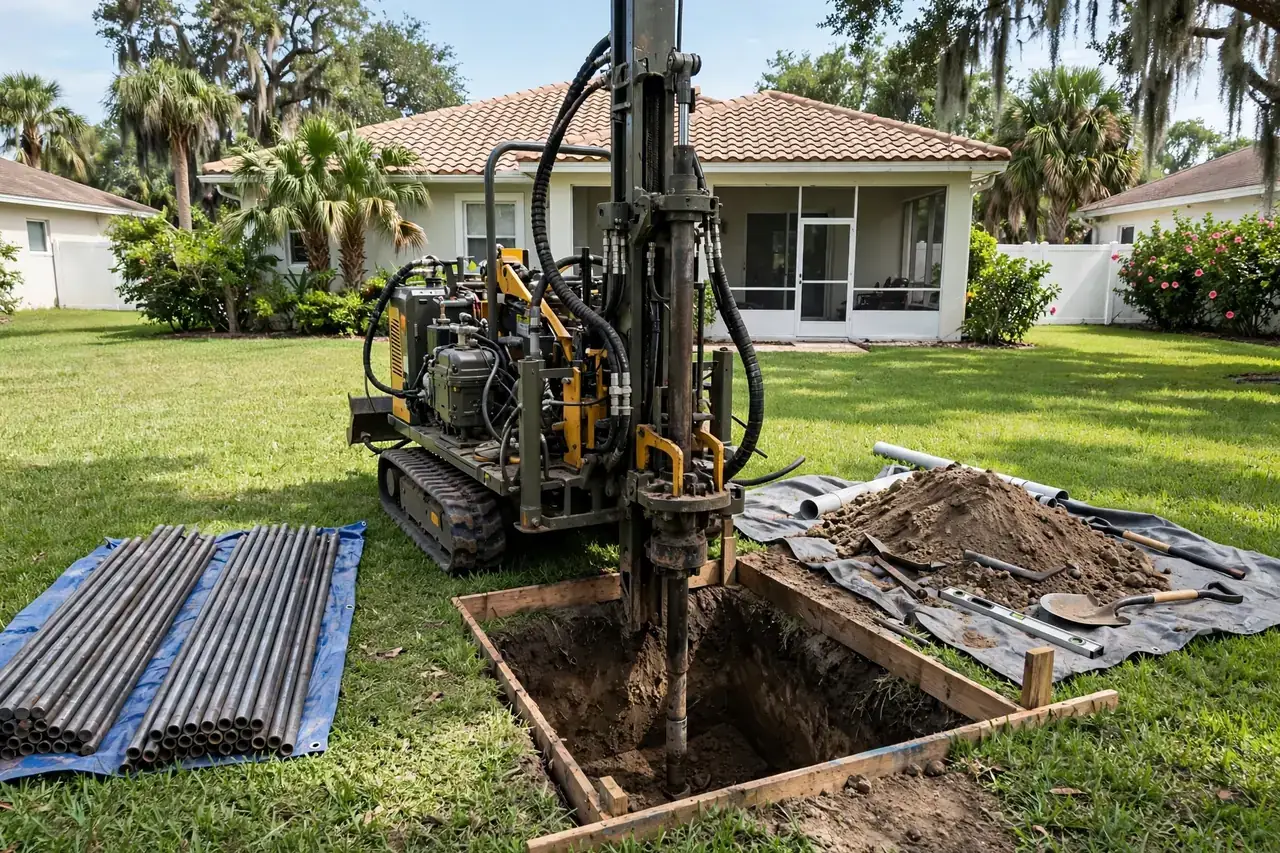
Trenchless Sewer Repair
Trenchless sewer repair in Sarasota, FL with minimal digging. Camera diagnosis, pipe bursting & CIPP lining. C…
Learn more →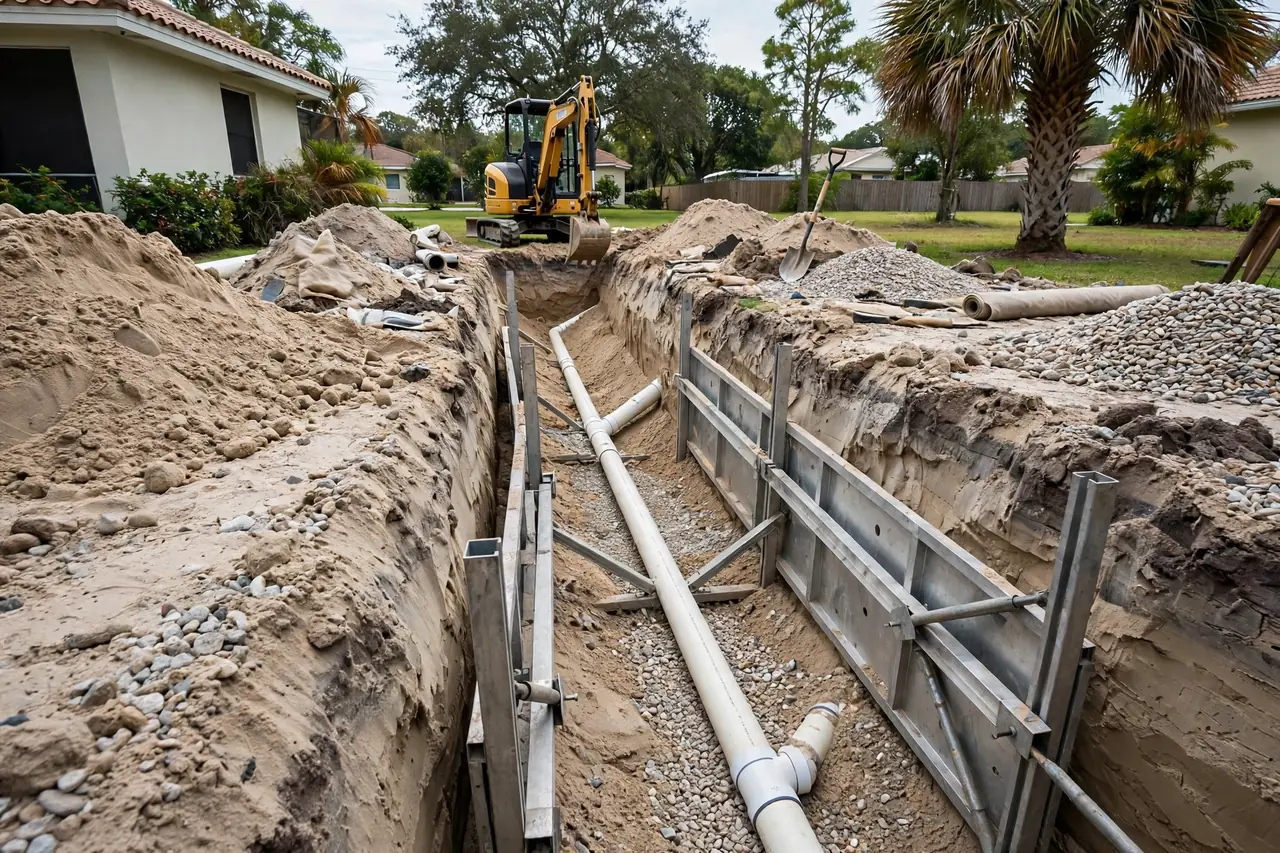
Sewer Line Replacement
Sewer line replacement in Sarasota, FL by excavation when trenchless won't work: proper grade, modern PVC pipe…
Learn more →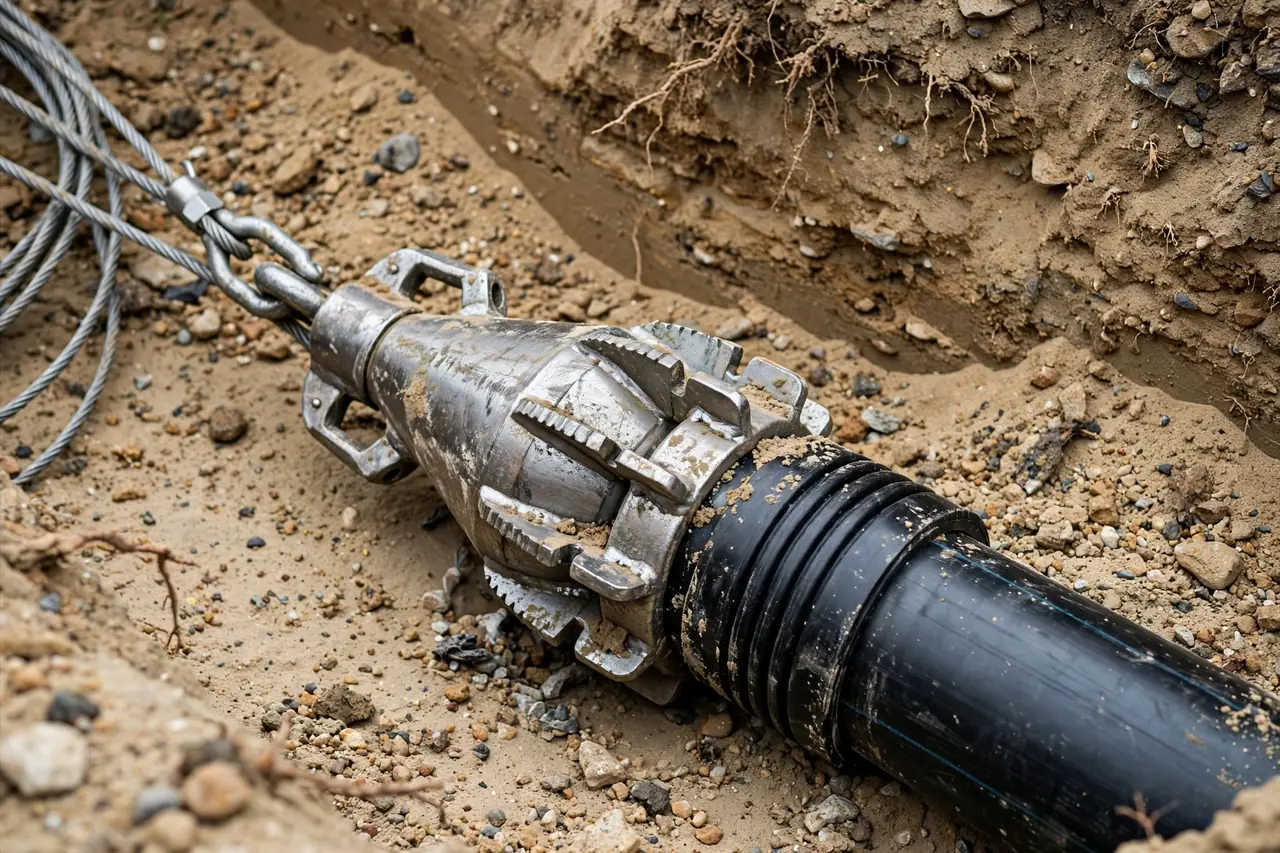
Pipe Bursting
Pipe bursting in Sarasota, FL replaces collapsed sewer lines with minimal digging: new pipe pulled through the…
Learn more →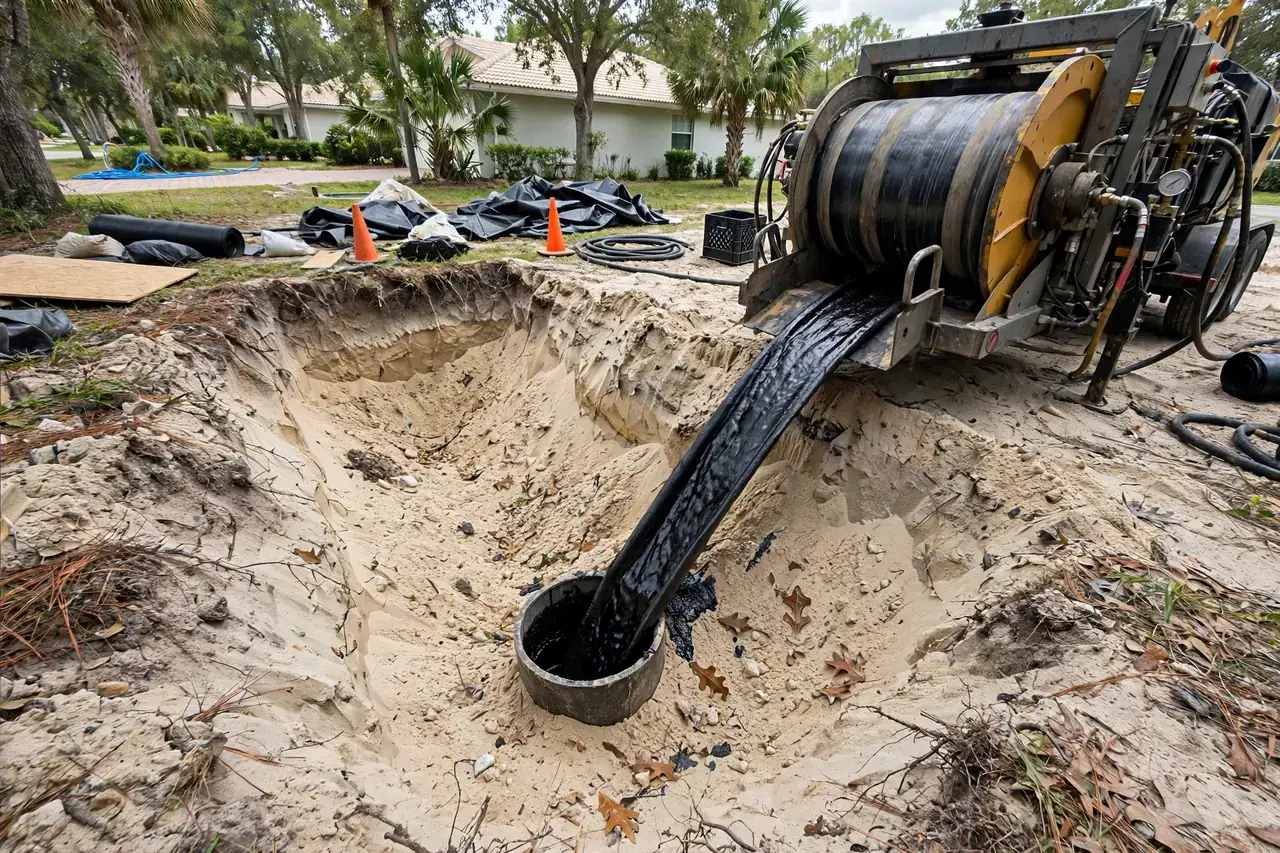
CIPP Pipe Lining
CIPP pipe lining in Sarasota, FL creates a new pipe inside the old one: no trench. Camera inspection, cleaning…
Learn more →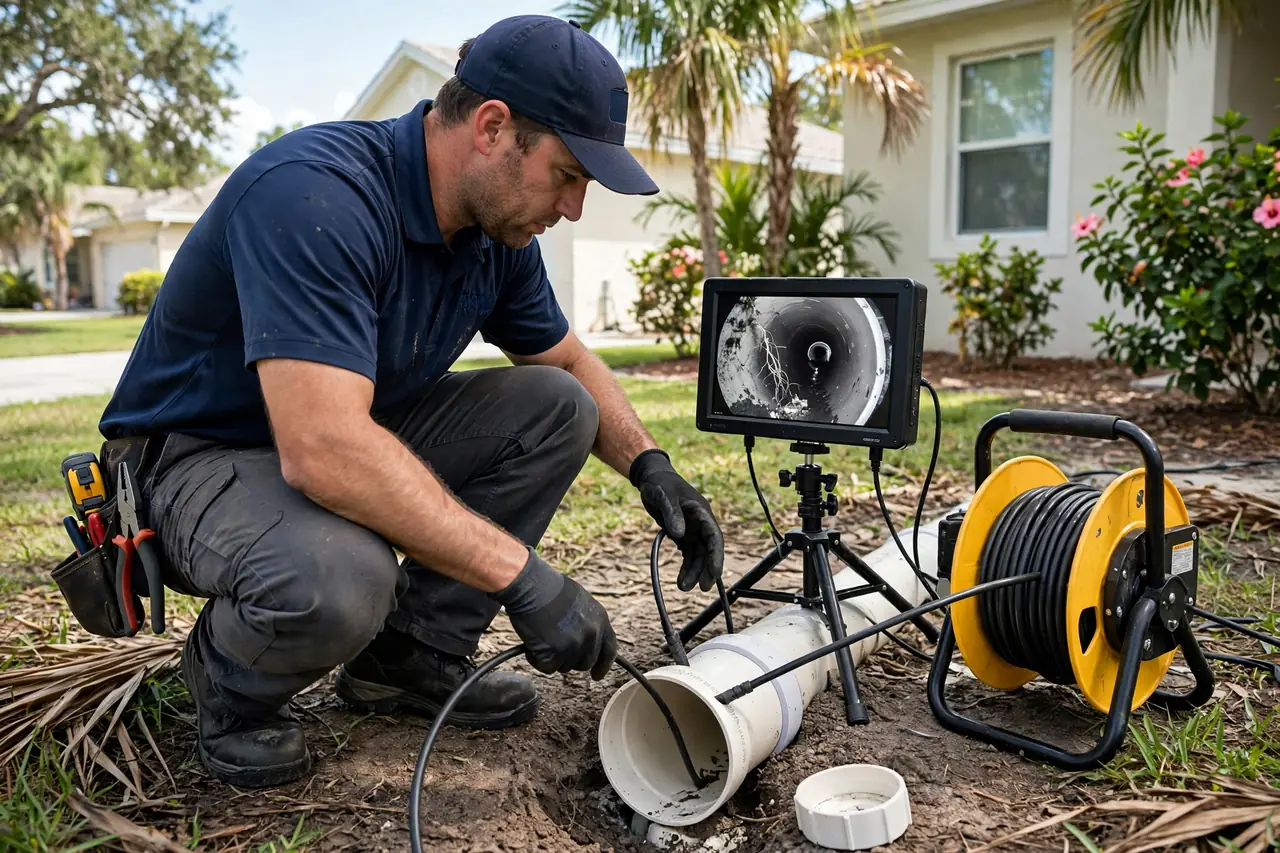
Sewer Camera Inspection
Sewer camera inspection in Sarasota, FL finds roots, scale, bellies & breaks before you dig. HD video diagnosi…
Learn more →ZIP Codes Served
Local Sewer Guides
Why Sarasota Sewer Backups Spike Every Rainy Season
Sarasota sewer backups spike every rainy season, June to September. Learn why and what to do. Call (941) 344-0…
Learn more →Pipe Bursting vs. Pipe Lining: Which Fits Your Sarasota Home?
Pipe bursting vs pipe lining for Sarasota homes: how each trenchless method works and when each wins. Call (94…
Learn more →Frequently Asked Questions
Did tropical storm Debby damage sewer lines in Bee Ridge?
Debby in August 2024 caused serious inland flooding across Bee Ridge, and flooded laterals can settle, separate at joints, and take on sand through any opening. If your home's drains have been worse since that storm, a camera inspection can show whether the line shifted or just clogged.
What is EauGallie soil and why does it matter for my pipes?
EauGallie fine sand is classified as poorly drained, it holds water instead of shedding it. During the rainy season the soil around buried laterals stays saturated for weeks, stressing joints and letting groundwater infiltrate cracked pipe. It is one of the main reasons Bee Ridge laterals fail from the outside in.
What kind of sewer pipe do Bee Ridge homes have?
Many Bee Ridge homes were built from the 1970s through the 1990s, and laterals from that era are typically cast iron or clay tile. Later 1990s construction is transitional, with some PVC. A camera inspection confirms the actual material of your line rather than guessing by the home's age.
Does the Bee Ridge treatment plant upgrade fix my sewer line?
The upgrade improves the treatment plant that serves the area; it does not replace private laterals. Homeowners remain responsible for their own lines from the house to the main, and the plant upgrade does not fix infiltration, bellies, or root intrusion in a private lateral.
Is trenchless lining a good fix for a Bee Ridge lateral?
It is common on laterals where the pipe still holds its shape, lining seals every joint at once, which addresses infiltration and root entry in one pass. If the pipe has collapsed or lost its round profile, pipe bursting or open-cut replacement is the better option. The camera footage decides.
What are the warning signs of lateral failure here?
Watch for drains that slow every rainy season and recover in winter, gurgling toilets, sewage odors in the yard, and any backup that returns after snaking. Repeated rainy-season problems are the signature of joint and infiltration failure, not a simple clog.
My Bee Ridge home backs up every summer. What should I do first?
Start with a camera inspection. The footage shows the pipe material, every joint, any bellies, and any storm-related damage, and we review it with you. From there the repair path follows the condition of the line. Call (941) 344-0088 to schedule the inspection.