Sewer Line Repair on Siesta Key, FL 34242
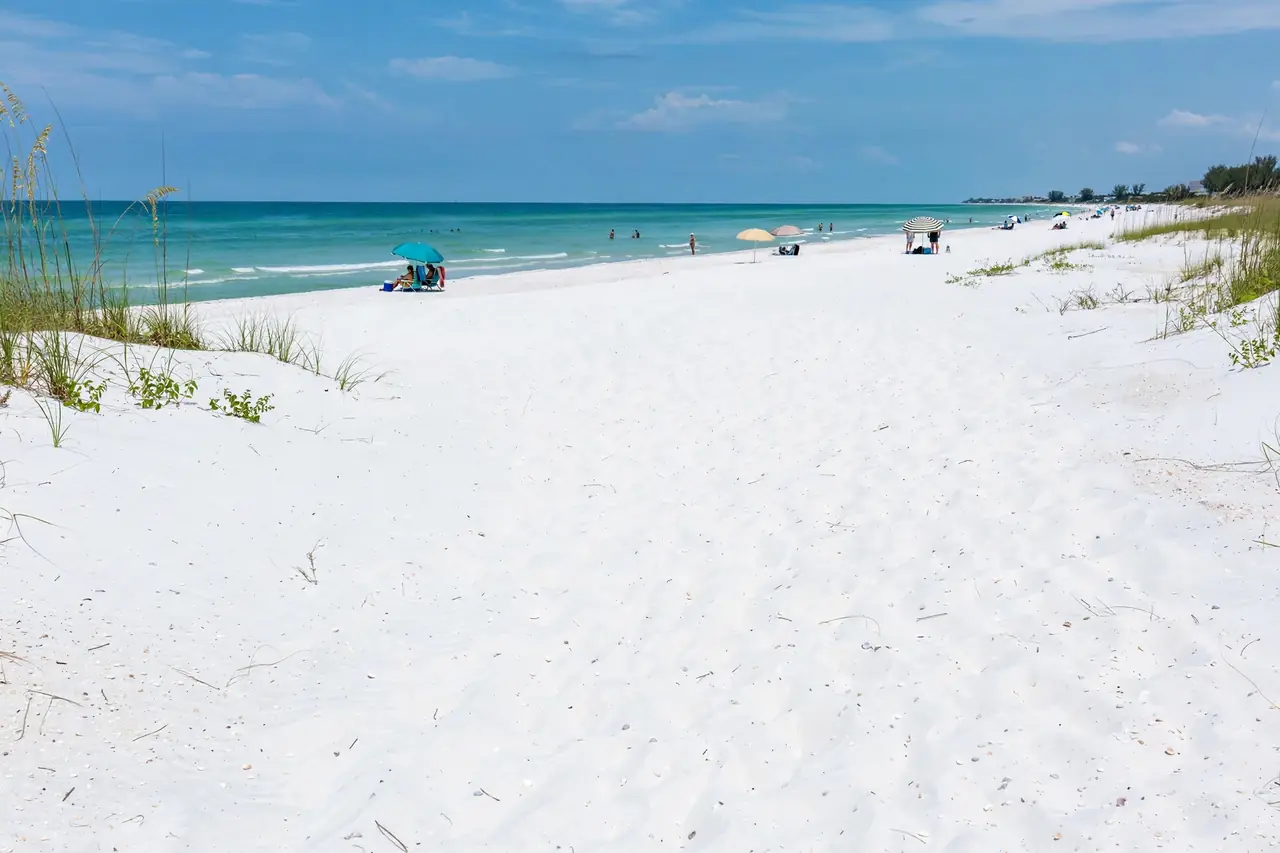
Siesta Key is an eight-mile barrier island with one ZIP code, a very high water table, repeated surge flooding, and a mix of mid-century laterals and septic pockets. We diagnose and repair island sewer lines built for these exact conditions.
Eight Miles of Island, One ZIP Code
Siesta Key runs about eight miles from the north bridge to Turtle Beach, and all of it carries the 34242 ZIP. That single ZIP covers dramatically different property: the north-end condominiums and beach access corridors, the walkable streets of Siesta Village, mid-century residential neighborhoods along the island's spine, and the quieter southern reaches toward Turtle Beach. The sewer story changes along the way, but the geology underneath does not, fine sand, water close to the surface, and exposure to every storm that reaches the Gulf coast.
What the Sand and Water Do to Pipe
The island is built on the same sandy soils that underlie the rest of the coast, and the seasonally high water table sits 0 to 3.5 feet below grade across much of Sarasota County, closer still on a low barrier island. Laterals here spend the rainy season, June through September, effectively submerged. August, the wettest month at 9.11 inches, is when infiltration peaks: groundwater pushes into cracked joints and separated fittings, adding volume the lateral was never meant to carry. Homes whose drains behave from January through May and misbehave from June onward are usually telling you the joints have failed, not the fixtures.
Repeated Surge Flooding
Siesta Key floods repeatedly when tropical systems reach the coast, and the recent seasons, Ian in 2022, Debby in August 2024, Helene and Milton in 2024, have given the island little recovery time. Surge flooding saturates the ground completely, scours the sand around buried pipe, and settles pipe runs unevenly. The result after a storm season is often a lateral with new bellies, newly opened joints, and sand washed into the bore. We recommend camera-inspecting island laterals after any storm that floods streets or yards, because the damage is invisible from above and compounds with every subsequent rain.
Siesta Village: Older Laterals in a Compact Core
Siesta Village is the island's walkable commercial heart, restaurants, bars, and shops around the intersection of Ocean Boulevard and Avenida Messina, backed by some of the oldest residential streets on the Key. Homes and small buildings from the 1950s through the 1970s dominate these blocks, and their laterals reflect the era: cast-iron or clay tile runs laid before PVC became standard.
Mid-Century Cast Iron Under Constant Moisture
Cast iron was the workhorse material of mid-century construction, and on Siesta Key it has spent half a century buried in wet sand. The failure pattern is well understood: internal corrosion roughens the pipe wall, scale narrows the bore, and pitting eventually opens holes that let in both roots and groundwater. Because the island's water table never really leaves the pipe alone, Siesta Village cast-iron laterals live the entire failure cycle faster than the same pipe would inland. A camera inspection shows the interior condition directly, the pitting, the scale, the joint gaps, and tells you whether the line is a candidate for lining or needs replacement.
Turtle Beach and the Southern Key
Turtle Beach at the island's south end is quieter than the north end, a residential lagoon-side community with the public beach park, kayak launches, and a slower pace. But the sewer geology is identical: low elevation, high water, fine sand. South-end laterals include a mix of mid-century originals and replacements from renovations, and the neighborhood's mature vegetation is a root-intrusion factor worth taking seriously.
Roots on the Quiet End of the Island
Where streets are lined with mature trees, roots find old laterals the same way they do downtown: through joints that have already aged out. Ficus and live oak roots follow the moisture leaking from a deteriorated clay or cast-iron joint, enter the pipe, and build the fibrous mass that eventually blocks it. Mechanical cutting clears the blockage for a season; eliminating the entry point through lining or bursting is what ends the cycle. If your Turtle Beach home has needed root cutting more than once, the line itself is the problem, not the roots.
Septic Pockets Inside a Sewered Island
Not every Siesta Key property connects to the municipal sewer. Pockets of the island still run on septic systems, a legacy of how the island developed lot by lot over decades. Sarasota County's septic-to-sewer program is pushing conversions countywide ahead of Florida's 2030 septic deadline, and island properties with failing drain fields are among the candidates, though conversion work on a barrier island carries its own engineering constraints.
Septic, Lateral, or Both?
Homeowners sometimes cannot tell whether their problem is the septic system or the sewer lateral, and on parts of the Key, both can exist on the same block. The diagnostic distinction matters: a failing drain field shows up as a soggy yard, surfacing effluent, and odors outside; a failing lateral shows up as slow drains and backups inside. A camera inspection of the lateral answers the question definitively and, for septic owners considering septic-to-sewer conversion, documents the condition of the line the new connection will rely on.
How We Work on the Key
Island access shapes every job we run on Siesta Key. The bridges are the only way in and out, streets are narrow, and many properties have dense vegetation, pools, and pavers over the lateral's path. We plan access points with the camera footage in hand so that trenchless work, lining or bursting, disturbs as little as possible, and we schedule around the property's use rather than the other way around.
Before Season, After Storms
Two inspection moments matter most on the Key. The first is after any surge event that floods the area: damage assessment while it is still minor. The second is before season, when part-time homes fill with guests and the lateral faces its heaviest annual load. A line that handled an empty house all summer can fail the first week of heavy winter use. Both moments are served by the same service, a camera inspection, a recording you keep, and a plain-language reading of what the line can and cannot handle. Call (941) 344-0088 to schedule either one.
Sewer Services in Siesta Key
Full-service sewer line care for Siesta Key homes.
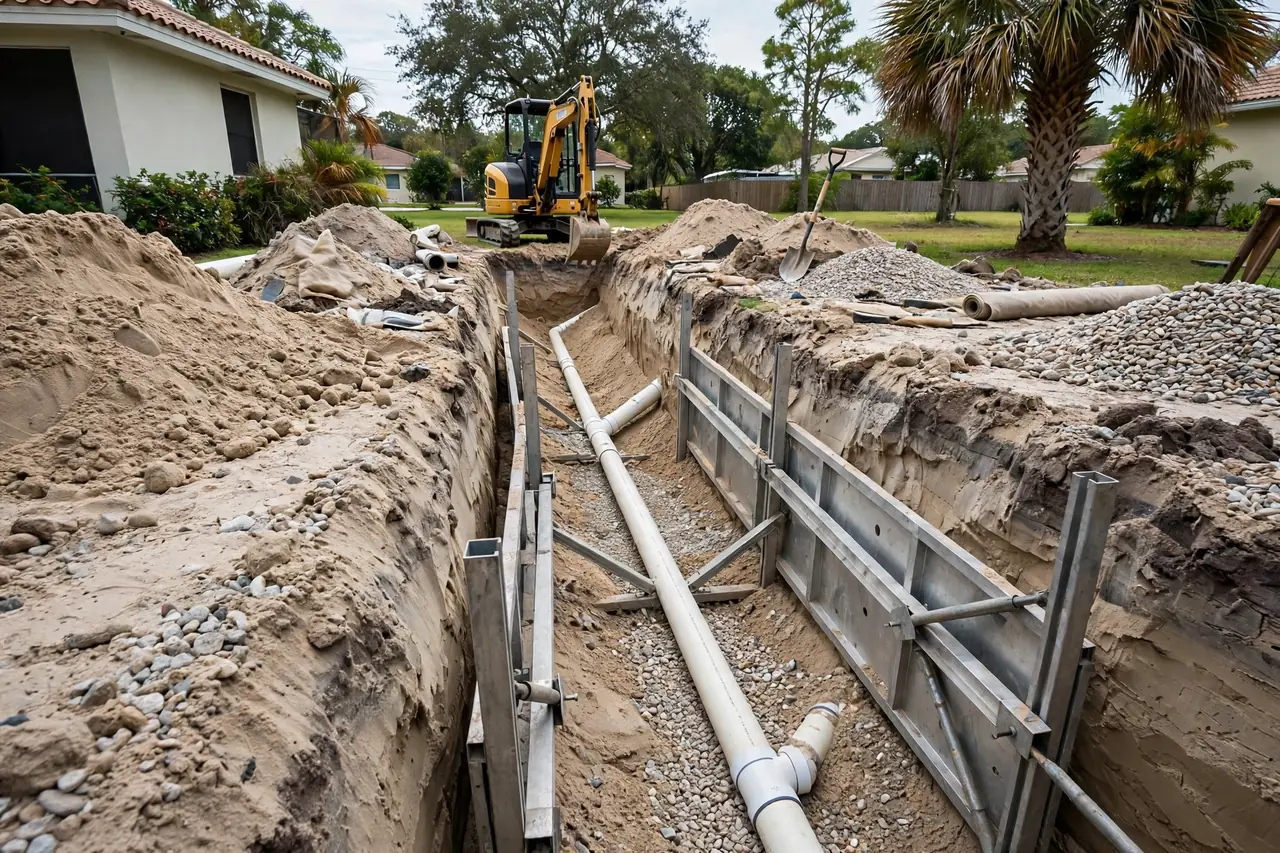
Commercial Sewer Services
Commercial sewer services in Sarasota, FL for restaurants, offices, HOAs. After-hours scheduling. Call (941) 3…
Learn more →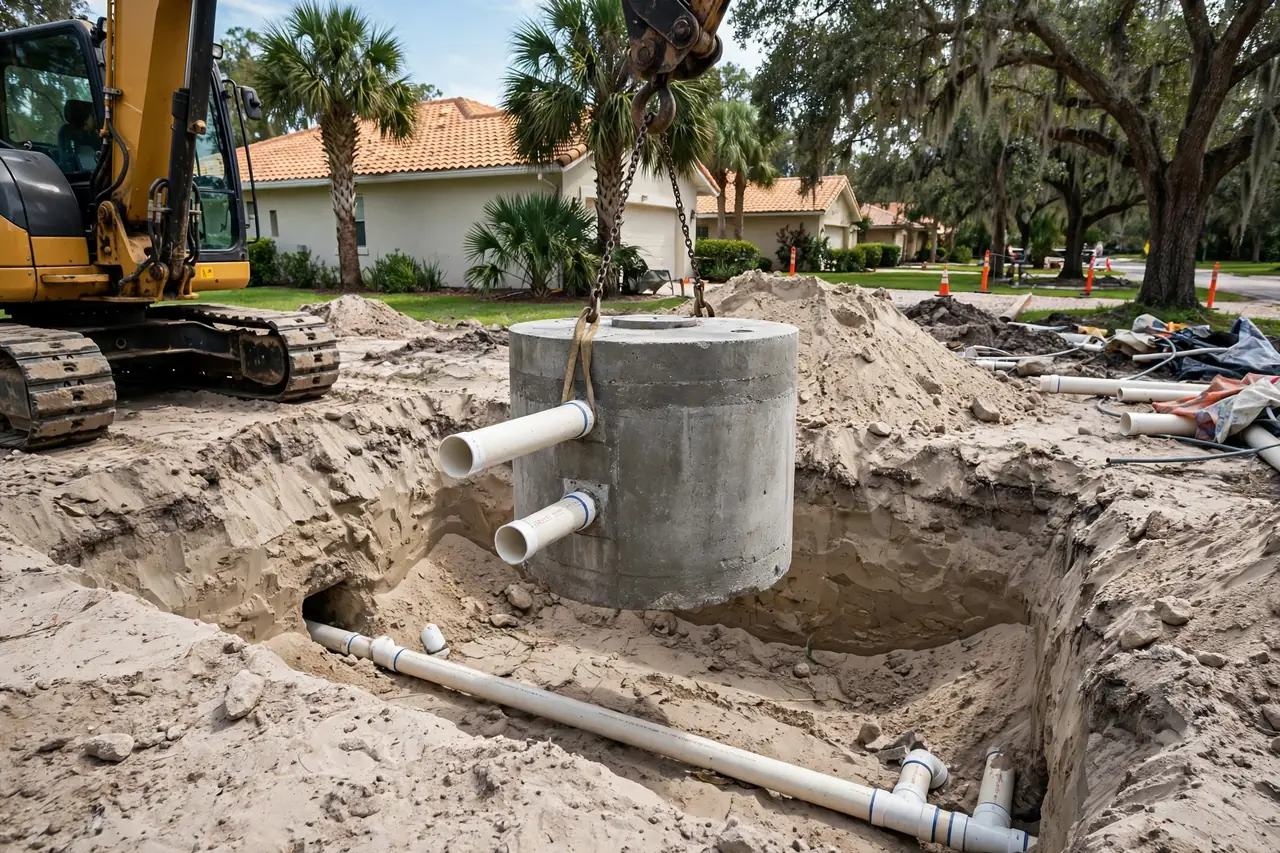
Septic-to-Sewer Conversion
Septic-to-sewer conversion in Sarasota County, FL. County program, timelines, and what owners must do. Call (9…
Learn more →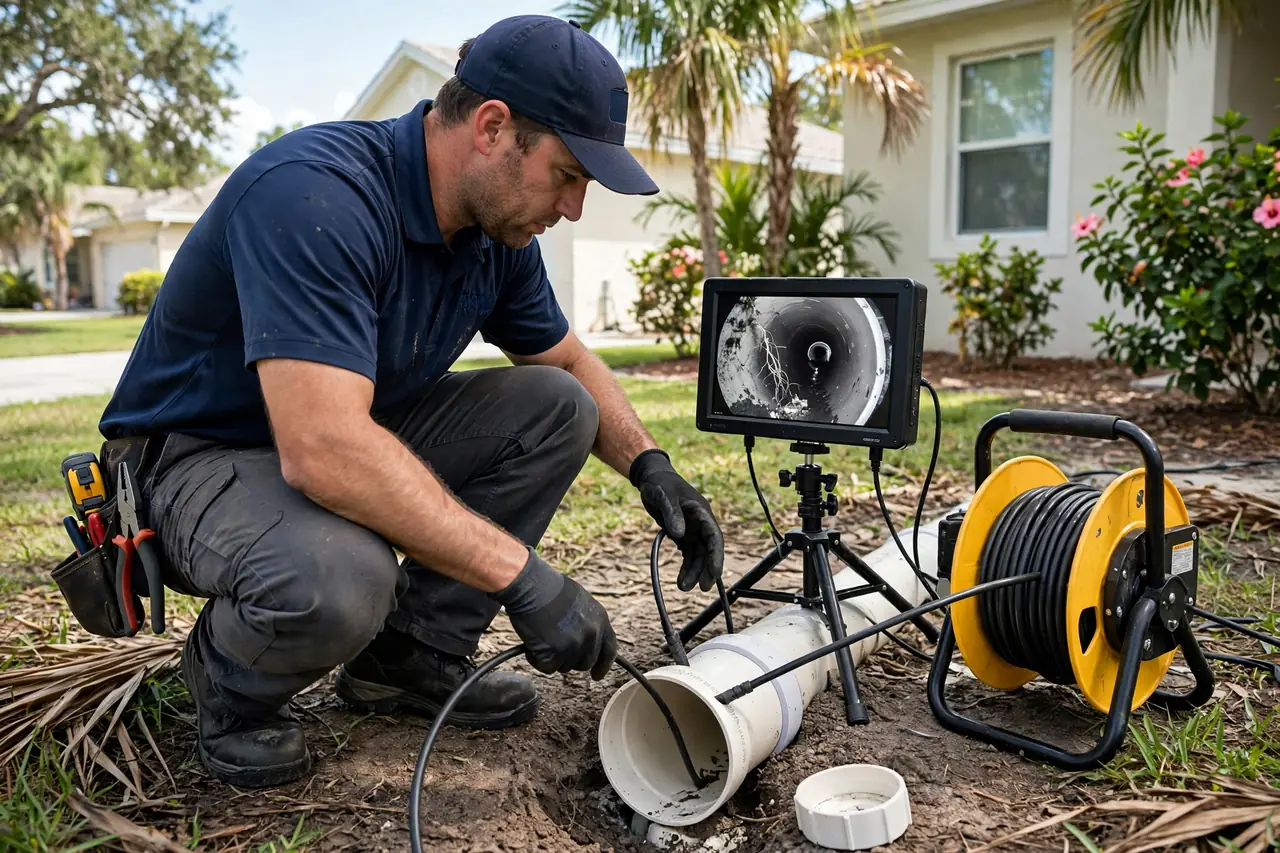
Sewer Odor Detection
Sewer odor detection in Sarasota, FL. We find the source of sewer gas smells: vents, traps, laterals. Call (94…
Learn more →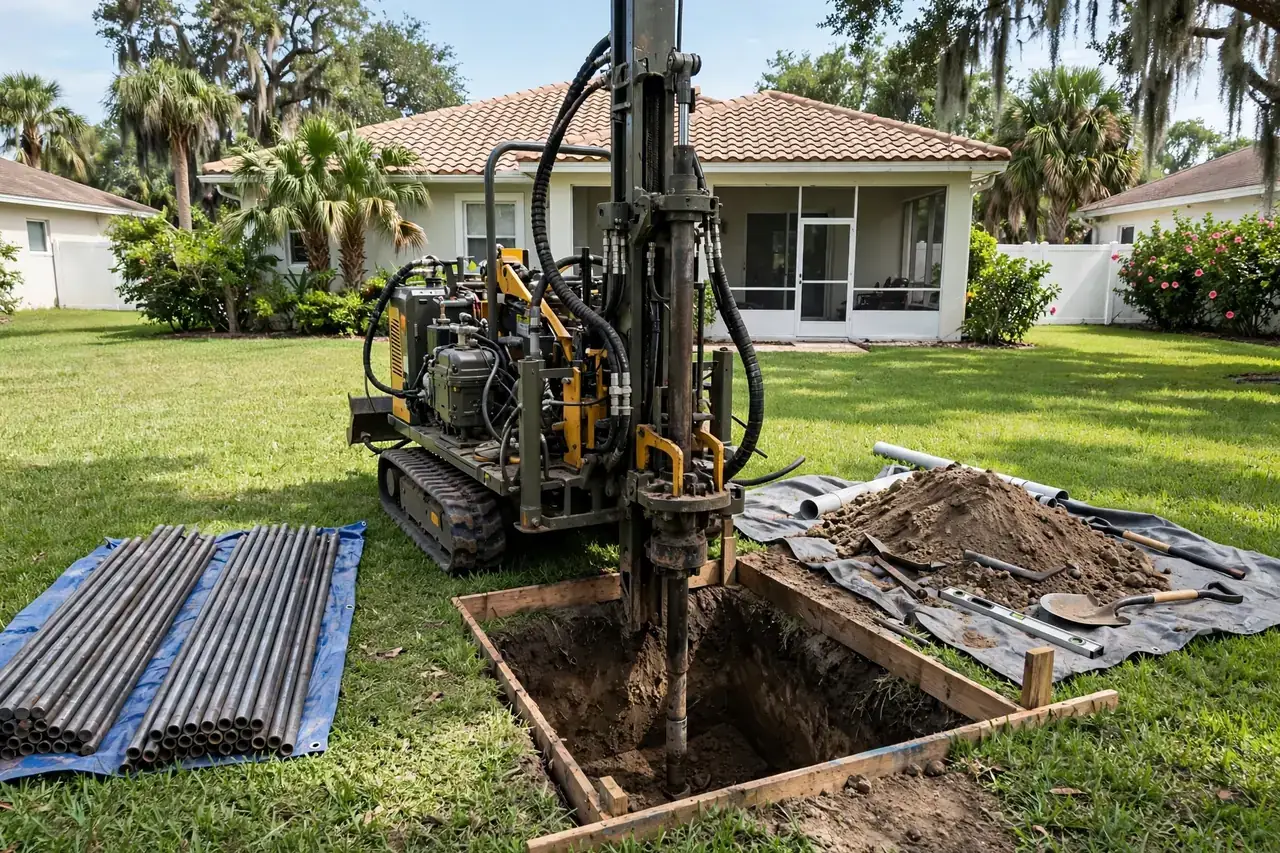
Trenchless Sewer Repair
Trenchless sewer repair in Sarasota, FL with minimal digging. Camera diagnosis, pipe bursting & CIPP lining. C…
Learn more →Sewer Line Replacement
Sewer line replacement in Sarasota, FL by excavation when trenchless won't work: proper grade, modern PVC pipe…
Learn more →ZIP Codes Served
Local Sewer Guides
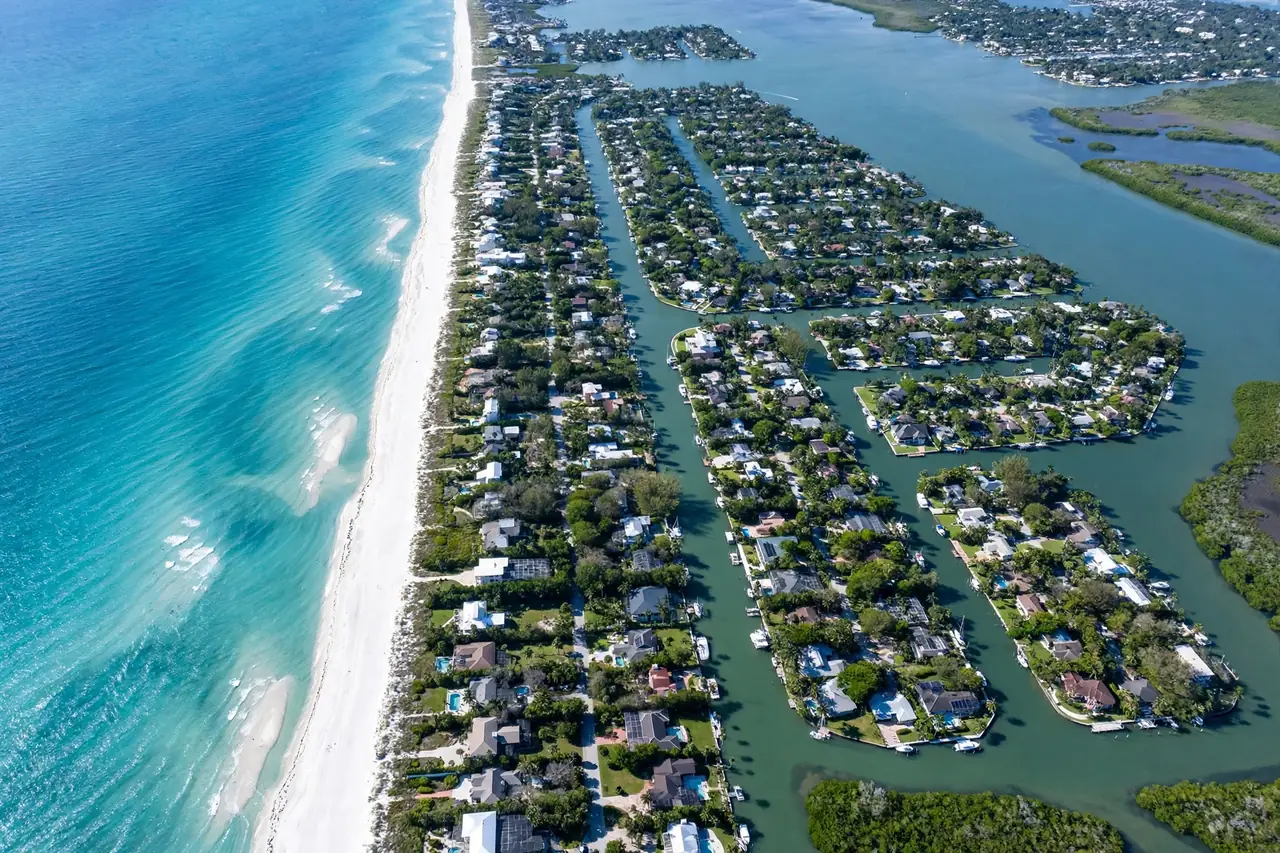
Barrier-Island Sewer Challenges: Siesta Key & Longboat Key
Sewer challenges on Siesta Key and Longboat Key: high water table, sand infiltration, and fixes. Call (941) 34…
Learn more →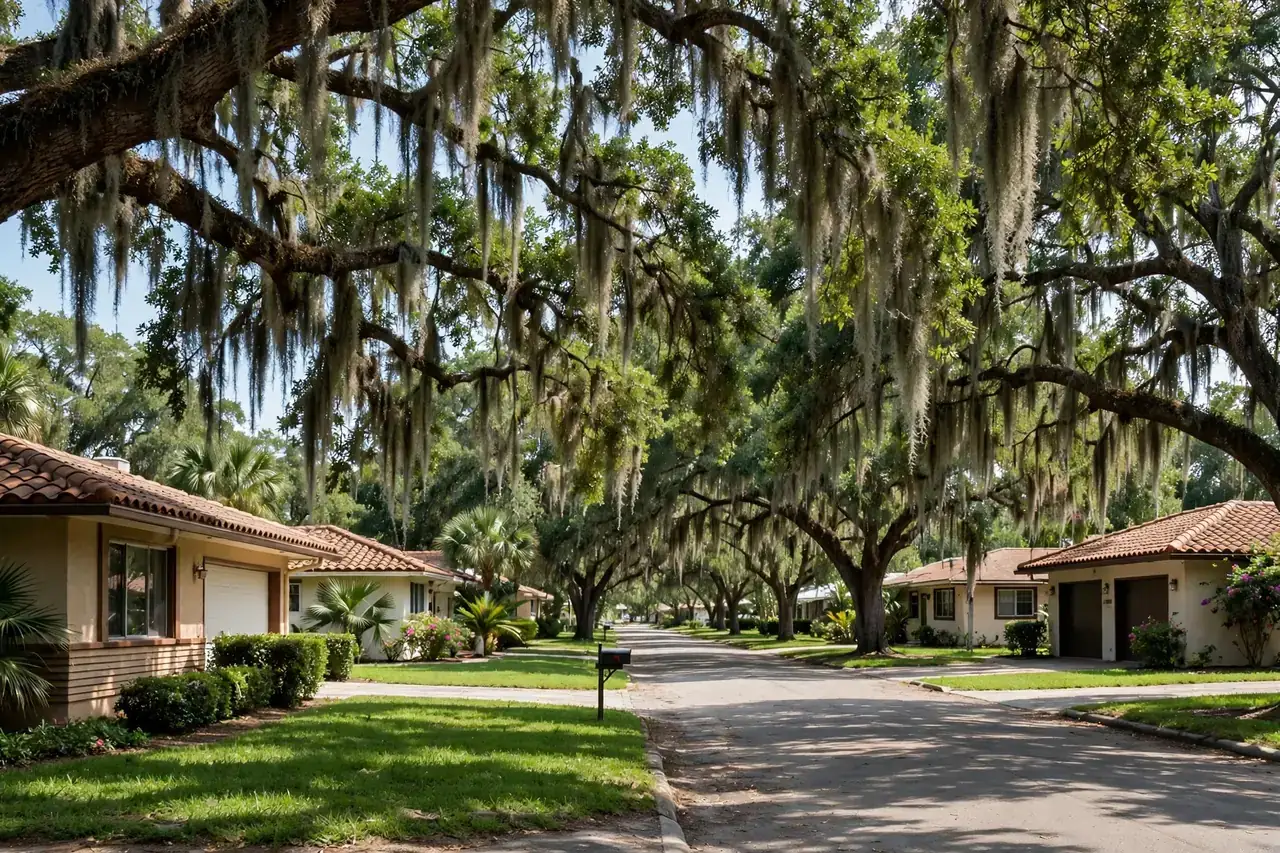
Why Sarasota Sewer Backups Spike Every Rainy Season
Sarasota sewer backups spike every rainy season, June to September. Learn why and what to do. Call (941) 344-0…
Learn more →Frequently Asked Questions
Has Siesta Key flooded enough to damage sewer lines?
Yes. The islands sit at the bottom of Sarasota County's surge-flood history, and repeated flooding saturates the sandy soil, shifts buried pipe, and scours joints open. After a major storm, a camera inspection is the only way to confirm the lateral's condition before the next rainy season loads it again.
Is the water table on Siesta Key high?
Yes, it is one of the defining conditions of the Key. A seasonally high water table presses groundwater against the lateral year-round and peaks from June through September. Any cracked joint or separated fitting lets that water into the pipe, adding volume and backing up drains.
What kind of sewer pipe do older Siesta Key homes have?
In the neighborhoods around Siesta Village and Turtle Beach, homes from the 1950s to 1970s are common, and their laterals are typically cast iron or clay tile. Newer construction east of the beach road and infill homes built in recent decades usually have PVC laterals with far lower failure risk.
Can you fix a broken lateral without digging up my yard?
Sometimes. Trenchless lining works through the existing pipe with only small access points, which suits the Key's tight lots and dense vegetation. Pipe bursting needs entry and exit pits and a path the new pipe can follow. If the old line is fully collapsed or has lost its alignment, open-cut replacement may be the better option.
How do I tell a septic problem from a sewer lateral problem?
A septic system treats waste on your own property; a private sewer lateral carries it to the municipal main. Septic failures show up as soggy drain fields and odors in the yard, while lateral failures show up as slow drains and backups inside the home. A camera inspection locates the problem and confirms which system is responsible.
When is the best time to have my lateral inspected?
Schedule it right after a major storm or before season arrives. After a storm, an inspection catches surge-driven damage while it is still minor. Before season, it confirms the line can handle the heavy use of a full house. Either way, the inspection takes about an hour and produces a recording you keep.
What should I do if my home is backing up right now?
Do not run water through the home's drains until you know what is happening, repeated flushing can force sewage back into the lowest fixtures. Then schedule a camera inspection so the cause is identified before anything is opened up. If sewage is entering the home, call (941) 344-0088 for emergency service and keep everyone out of the affected water.