Sewer Line Repair in Palmer Ranch, Sarasota, FL 34238
Palmer Ranch's 1990s-and-newer master-planned neighborhoods sit at the transition from late cast iron to PVC, and heavy landscaping over sewer easements makes root intrusion the area's defining sewer problem.
A Newer Community With Transitional Pipes
Palmer Ranch is one of Sarasota's great master-planned success stories, built out from the 1990s onward on former ranchland east of US-41. Because construction spans the plumbing industry's material transition, the pipe under your home depends entirely on when your phase was built: the earliest neighborhoods still used late-generation cast-iron drain pipe, while later phases moved to PVC and ABS.
That transition matters more than most homeowners realize. Late cast iron is better than its 1960s predecessor, but it still corrodes and scales over time, just more slowly. And where cast iron meets PVC at an addition, a pool reroute, or a previous repair, the connection itself becomes a point of interest during an inspection.
The practical takeaway: Palmer Ranch laterals are younger than the region's failure-prone mid-century cohort, but they are not immune. Problems here tend to arrive as root intrusion and settled bellies rather than catastrophic corrosion, and they respond well to trenchless repair when caught early.
The Legacy Trail Corridor and Landscaped Common Areas
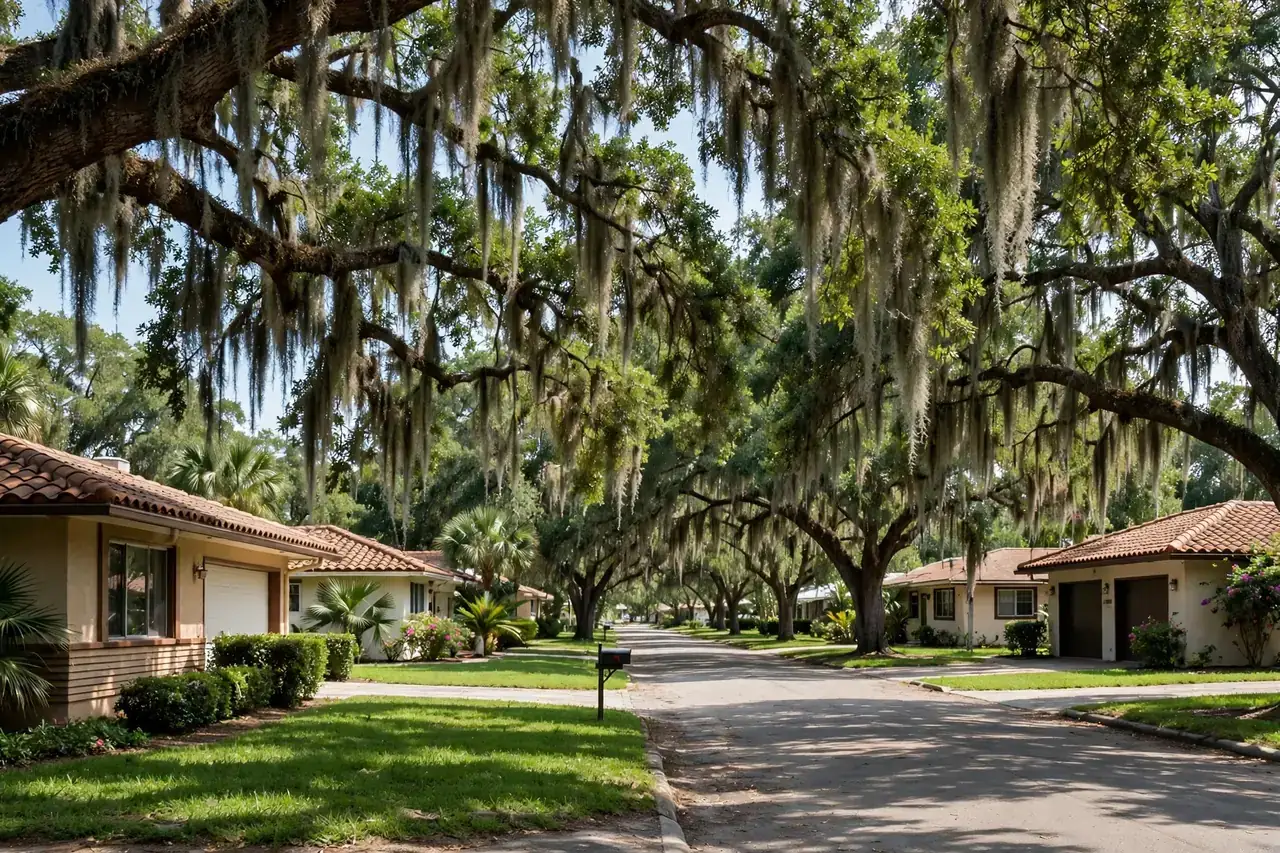
The 18.5-mile Legacy Trail runs through this part of the county, and Palmer Ranch's own villages are threaded with landscaped common areas, entry medians, and preservation buffers. It is an attractive setting, and a demanding one for buried sewer lines.
The live oaks and ficus trees planted as saplings in the 1990s are now mature, with root systems reaching far beyond the drip line. Sewer laterals and HOA-maintained irrigation lines often share the same easements, and roots follow moisture wherever joints give them an opening. A joint that weeps even slightly becomes a target.
HOA landscaping standards, which rightly protect the community's appearance, also mean repairs must protect the landscape. Open trenching across a manicured common area or a village entry is expensive to restore and slow to approve. Trenchless methods that leave the surface intact are usually the first choice here, for the homeowner and for the association alike.
High Water Table Beneath Newer Pipe
Newer pipe does not change the ground it sits in. Across much of Sarasota County the seasonally high water table rests just 0 to 3.5 feet below the surface, and Palmer Ranch's mix of Myakka fine sand and poorly drained EauGallie fine sand is no exception.
When the June-to-September rainy season delivers the bulk of the area's 49 to 53 inches of annual rain, August alone averages 9.11 inches, saturated soil stops supporting buried pipe. Even PVC laterals can develop bellies in low spots where backfill settles, and every joint becomes a path for groundwater to enter the line.
Infiltration is a quiet problem: the drains still work, but the line carries stormwater along with wastewater, and the soil washing in through joint gaps slowly undermines the pipe bed. A camera inspection during or just after the wet season shows exactly where it is happening.
What a Camera Inspection Finds in Palmer Ranch
A sewer camera inspection in Palmer Ranch looks different from one in the county's older neighborhoods. The pipe is younger and the failure modes are subtler, which is exactly why a camera matters before any digging starts.
Root Masses at the Joints
The single most common finding: fine root masses entering at rubber-gasket joints or at transitions between pipe materials. Caught early, these clear completely with hydro-jetting, and scheduled maintenance keeps the line flowing until the joints are sealed.
Bellies in Settled Backfill
In newer subdivisions, trench backfill sometimes settles unevenly, creating low spots where wastewater ponds. Bellies collect solids and grease, and they show up clearly on camera as standing water in an otherwise dry line, a future blockage forming in slow motion.
Material Changes Mid-Run
Where an early-phase cast-iron section meets later PVC, common at additions, pool reroutes, or previous repairs, the camera shows the transition and its condition. Each change of material gets checked for gaps, offsets, and root entry, since transitions fail before straight runs do.
Trenchless Options That Protect the Landscape
When a Palmer Ranch lateral needs more than cleaning, trenchless repair is usually the natural fit. Cured-in-place lining rehabilitates a line that still holds its alignment; pipe bursting replaces one that does not, and both happen underground, leaving driveways, lanais, and HOA-landscaped common areas untouched.
For root intrusion that has not yet damaged the pipe, hydro-jetting with a root-cutting head clears the line completely, and periodic maintenance keeps it flowing. It is the least invasive answer to the area's most common problem, and it pairs well with a camera check that confirms the joints are still sound.
The key in every case is diagnosis first. A camera inspection maps the pipe material, the joint locations, and the exact spots where roots or bellies are forming, so the repair targets the real problem instead of guessing at it. Tree root removal done with a camera on hand is precision work, not blind digging.
Signs of Trouble in a Master-Planned Neighborhood
In Palmer Ranch, sewer trouble often starts subtly. The same bathroom clogs twice in a season. A kitchen drain that was fine for years starts running slow. Because the pipe is younger, homeowners tend to blame the fixture, but recurring clogs at the same fixtures usually mean the restriction is in the lateral, not the drain.
Watch for an unusually lush strip of grass tracing the lateral's path to the street, roots and leaking moisture feed it. Gurgling vents, sewer odors near cleanouts, and backups that follow heavy August rain are all worth investigating with a camera rather than another round of snaking.
One local note: in an HOA community, the lateral from your home to the main is typically the homeowner's responsibility, including the portion under common areas. Knowing your line's condition before a failure protects both your home and your standing with the association.
Service Across Palmer Ranch, 34238
Sarasota Sewer Specialists serves every village of Palmer Ranch in ZIP code 34238, including:
- Villages east and west of the Legacy Trail corridor
- Neighborhoods around the community's golf course developments
- Homes bordering the I-75 corridor on the community's east side
- Townhome and villa communities with shared lateral easements
From routine camera inspections to trenchless repair and root maintenance, we keep Palmer Ranch's newer sewer lines flowing without disturbing the landscaping the community is known for. Call (941) 344-0088.
Sewer Services in Palmer Ranch
Full-service sewer line care for Palmer Ranch homes.
Emergency Sewer Repair
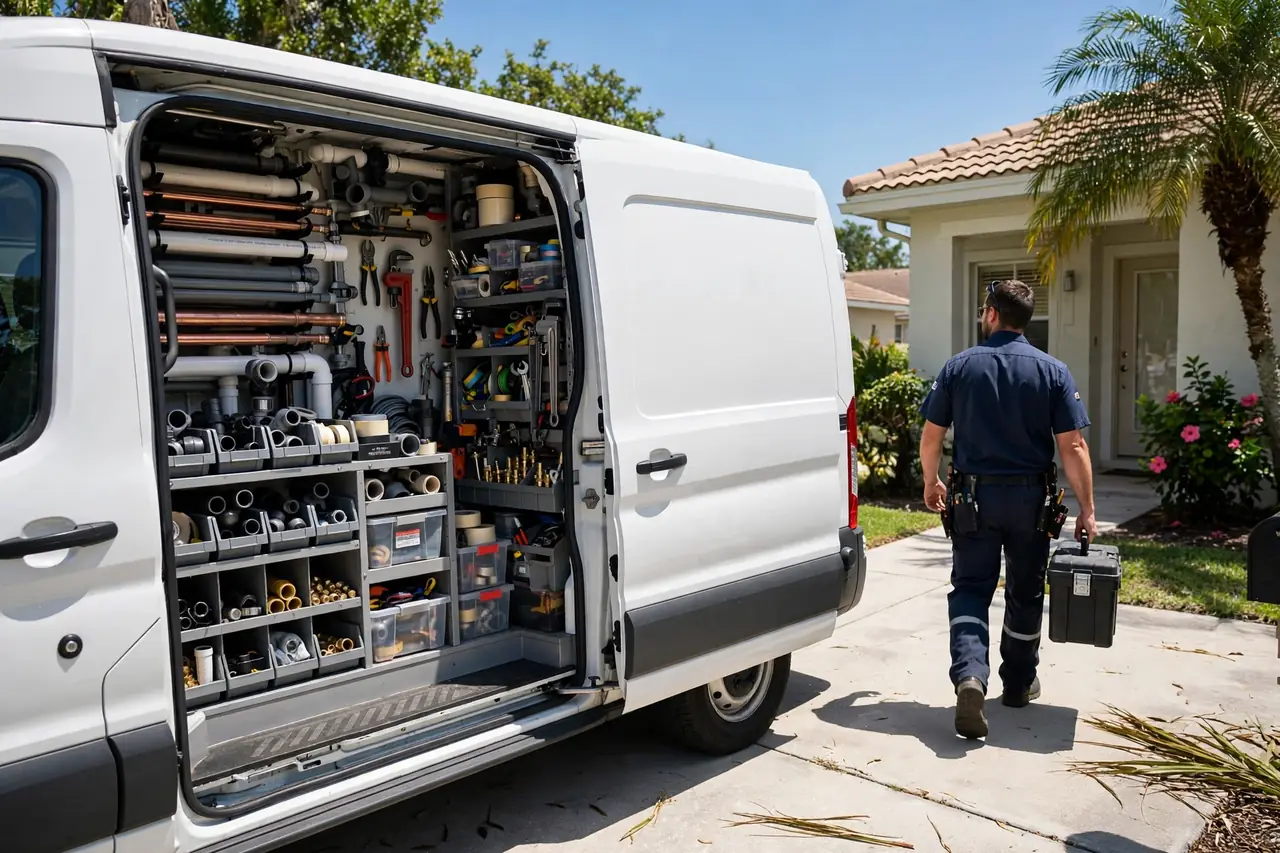
Emergency sewer repair in Sarasota, FL for backups and burst lines. Fast response, camera diagnosis. Call (941…
Learn more →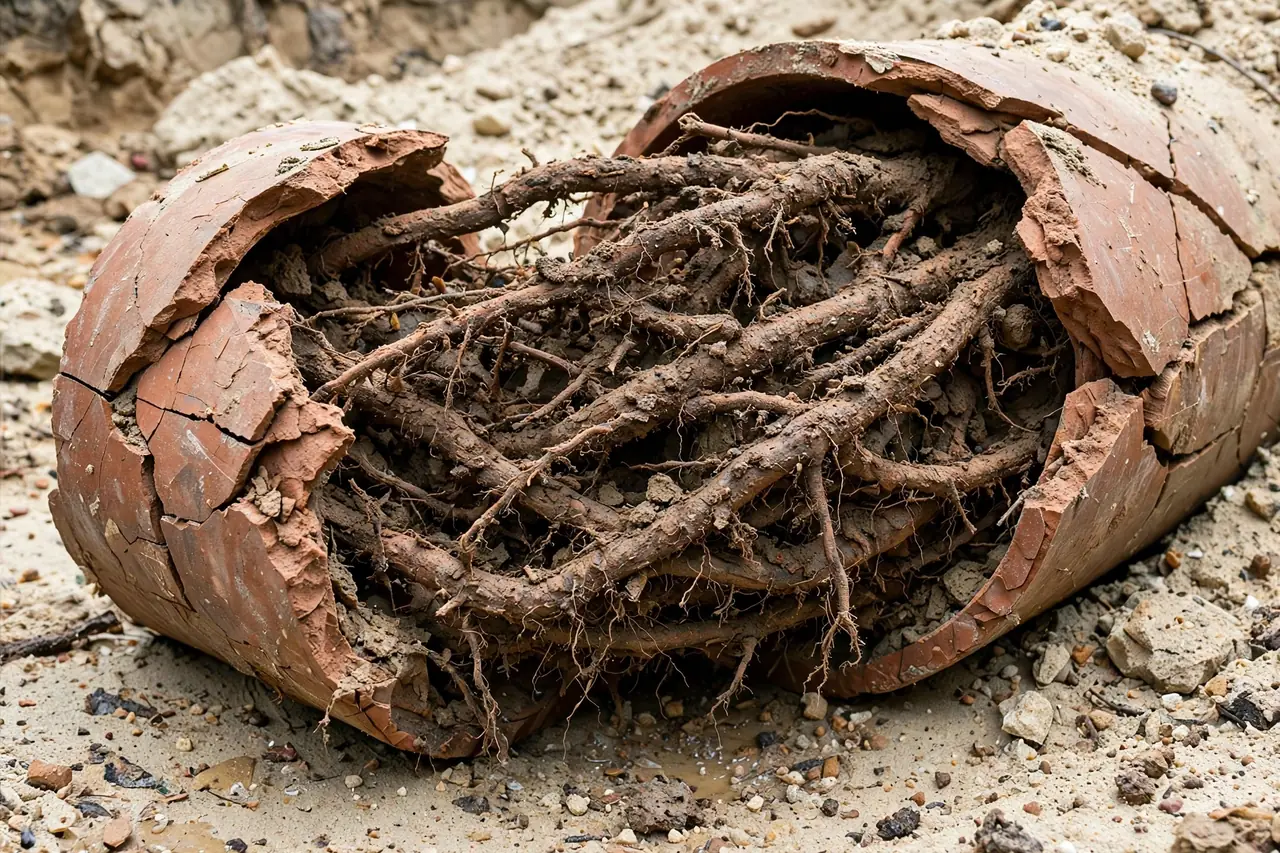
Tree Root Removal
Tree root removal for Sarasota sewer lines: cutting, jetting, and camera verification for live oak and ficus r…
Learn more →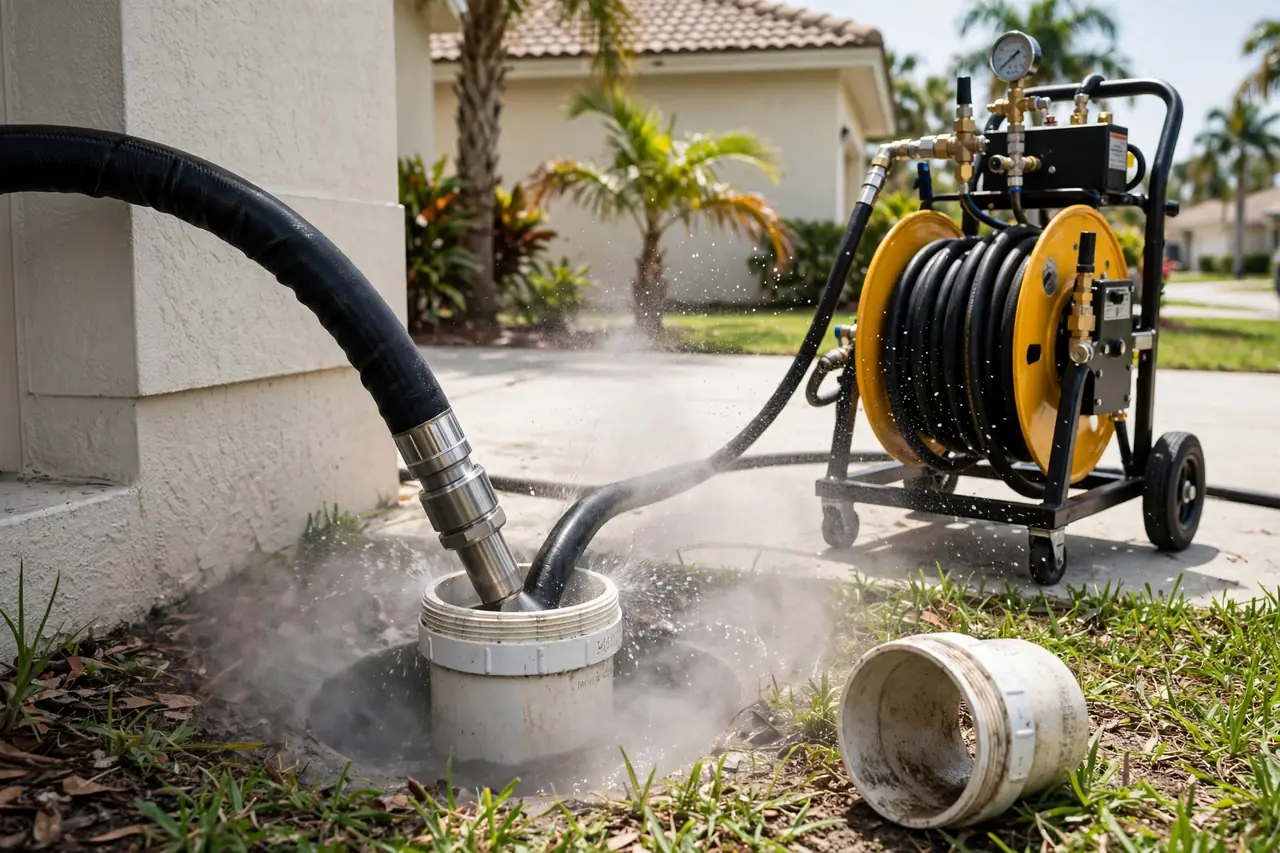
Hydro Jetting
Hydro jetting in Sarasota, FL clears grease, scale, and sand with pressurized water. Camera inspection first. …
Learn more →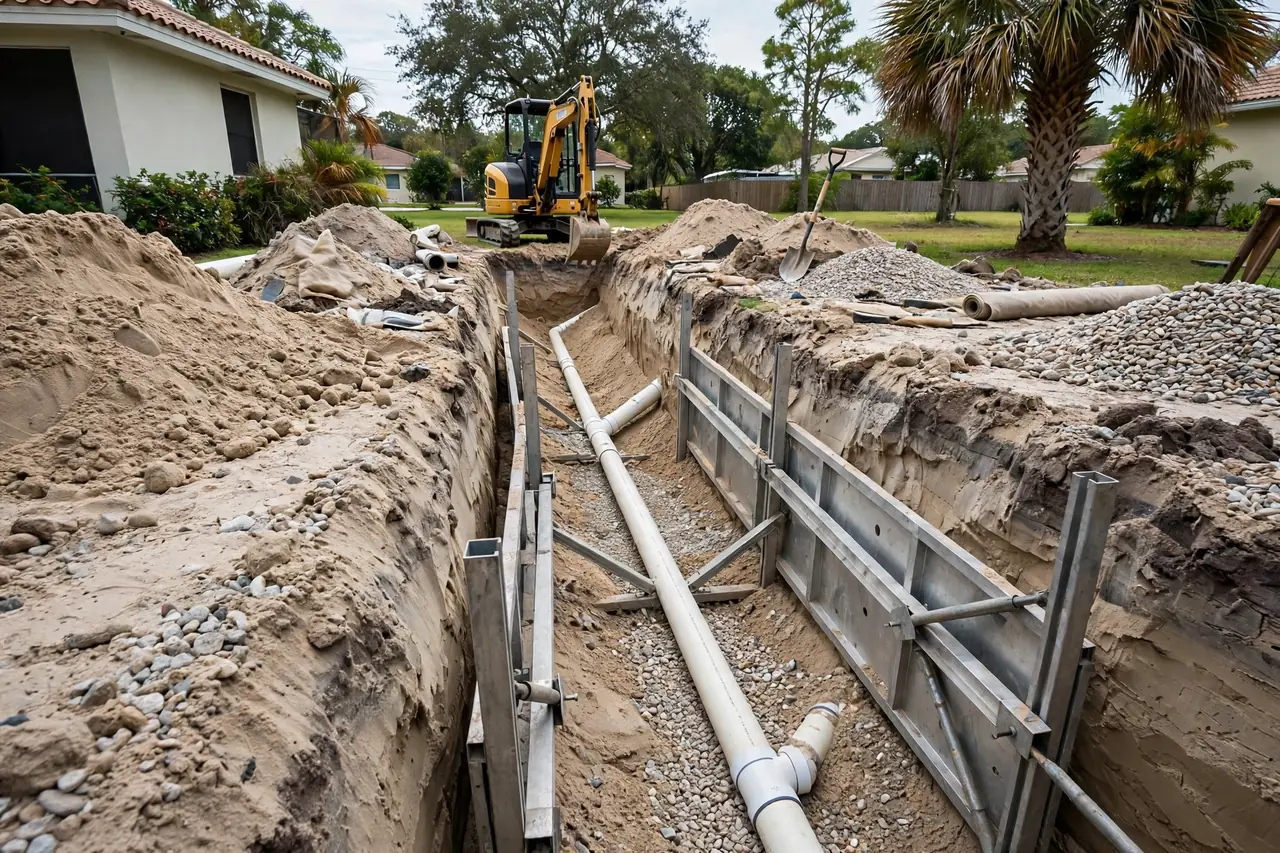
Commercial Sewer Services
Commercial sewer services in Sarasota, FL for restaurants, offices, HOAs. After-hours scheduling. Call (941) 3…
Learn more →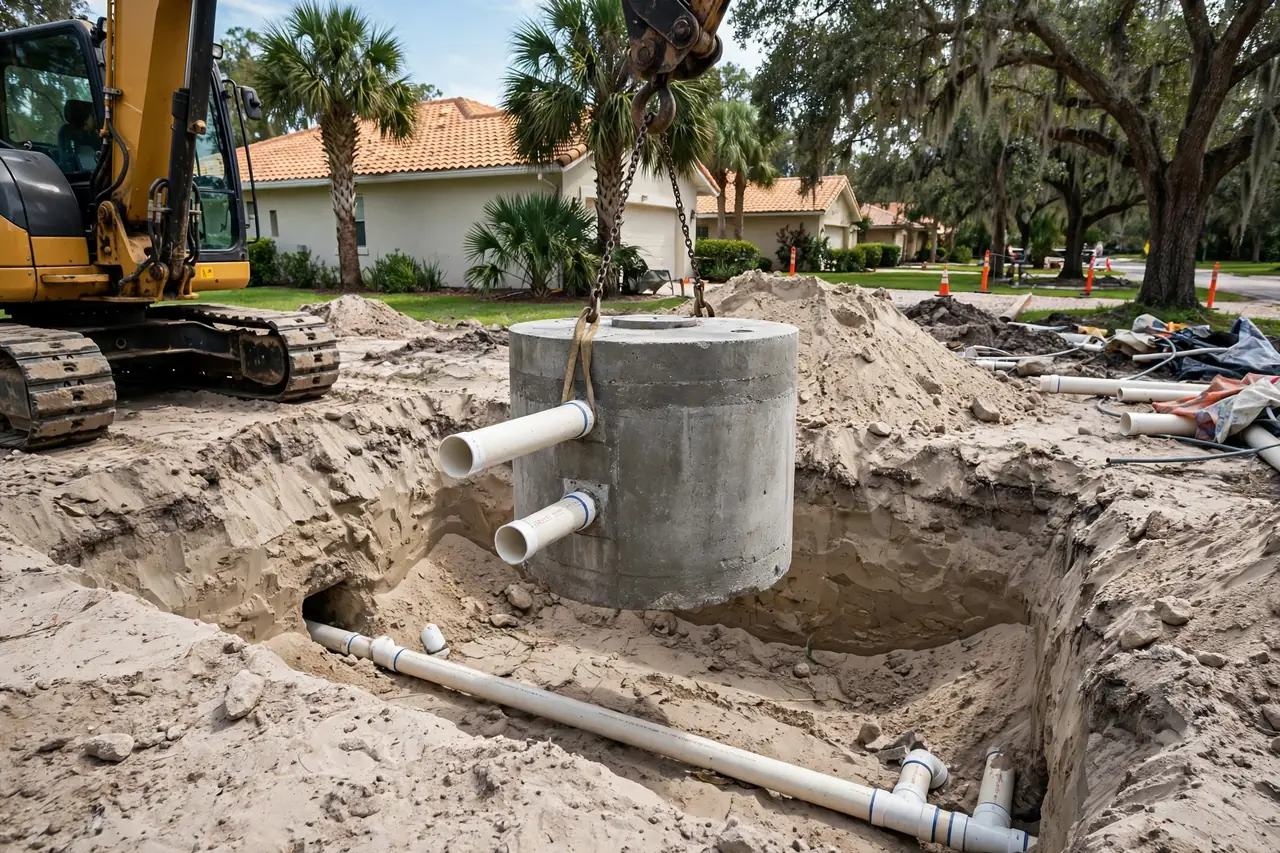
Septic-to-Sewer Conversion
Septic-to-sewer conversion in Sarasota County, FL. County program, timelines, and what owners must do. Call (9…
Learn more →ZIP Codes Served
Local Sewer Guides
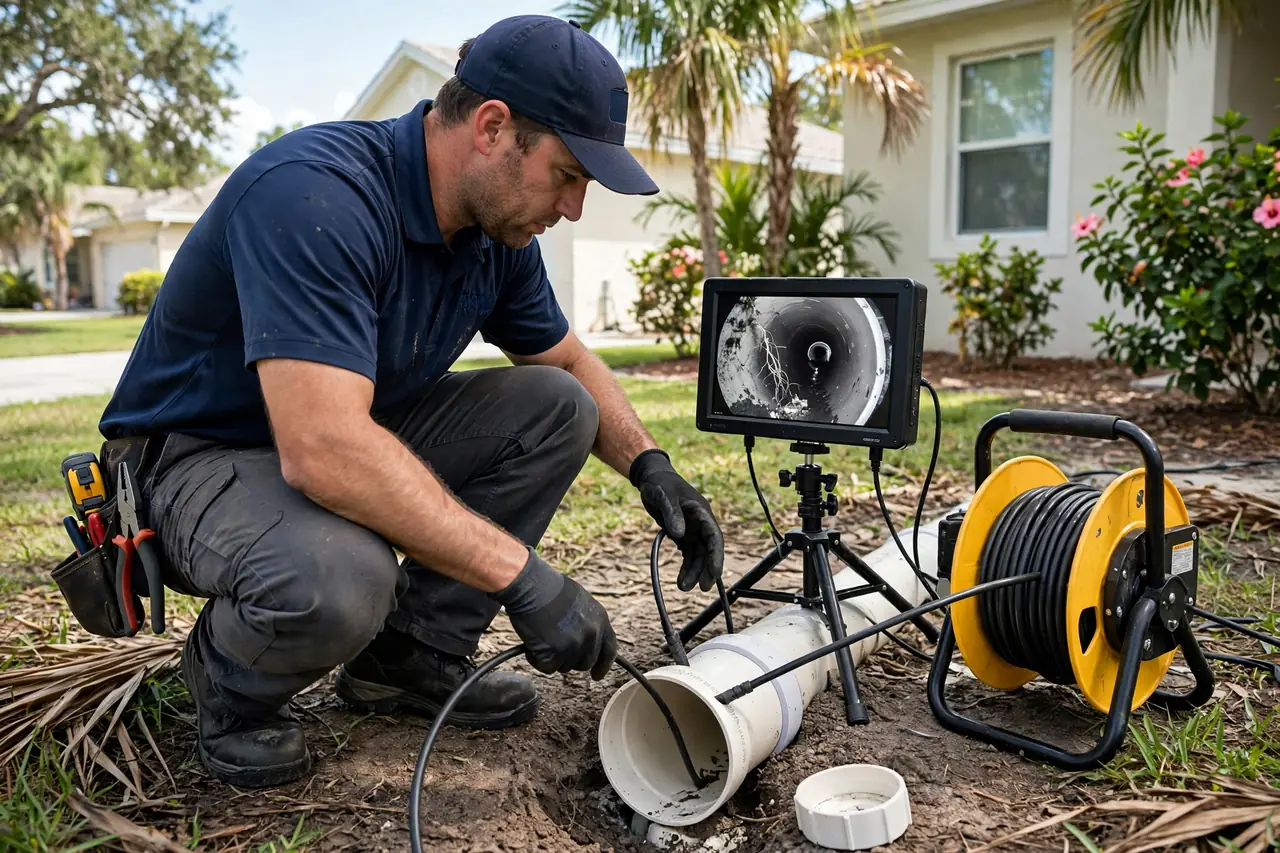
Sewer Camera Inspection: What Sarasota Homeowners Should Expect
What a sewer camera inspection in Sarasota shows: the process, the footage, and why it matters. Call (941) 344…
Learn more →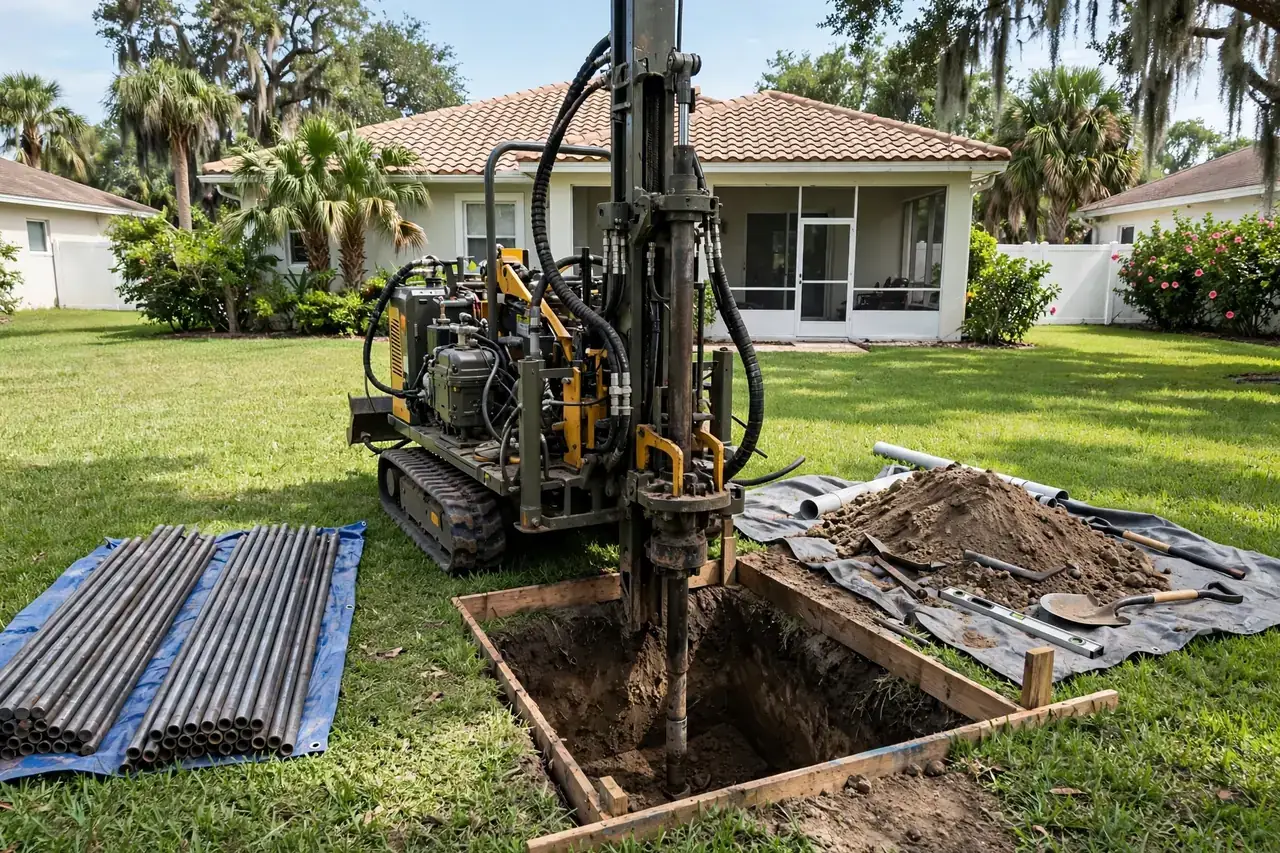
Trenchless vs. Traditional Sewer Repair: A Sarasota Guide
Trenchless vs traditional sewer repair in Sarasota: how pipe condition and soil shape the choice. Call (941) 3…
Learn more →Frequently Asked Questions
My home was built in the 1990s. Can the sewer line still have problems?
Yes, though the problems look different from those in the county's older neighborhoods. Palmer Ranch spans the industry's material transition: the earliest phases used late-generation cast-iron drain pipe, while later phases moved to PVC and ABS. Late cast iron corrodes more slowly than its 1960s predecessor, but it still corrodes, and every joint, of any material, is a potential entry point for roots and groundwater.
What causes sewer clogs in Palmer Ranch if the pipe is newer?
Root intrusion leads the list. The live oaks and ficus planted as saplings in the 1990s are now mature, and their roots seek the moisture at pipe joints, especially where landscaped common areas and HOA irrigation share easements with sewer laterals. Settled backfill creating bellies, and groundwater infiltrating joints during the rainy season, round out the common causes.
Will a sewer repair tear up my HOA-mandated landscaping?
Usually not. Trenchless methods, cured-in-place lining and pipe bursting, rehabilitate or replace the lateral underground, with digging limited to small entry and exit pits. Driveways, lanais, and HOA-maintained common areas stay intact, which also avoids the slow approval process an open trench across community landscaping would require.
How does the high water table affect newer PVC pipe?
PVC does not corrode, but it still sits in the same ground as everything else. Across much of the county the seasonally high water table rests 0 to 3.5 feet down, and saturated Myakka and EauGallie fine sands stop supporting buried pipe, so even PVC laterals can develop bellies where backfill settles. Every joint also admits groundwater during the June-to-September rainy season, carrying soil in with it.
Is the sewer lateral my responsibility or my HOA's?
In nearly all cases, the lateral from your home to the county main is the homeowner's responsibility, including the portion that passes under common areas or village landscaping. That is worth knowing before a failure, because a backup under a manicured median is still your repair. A camera inspection documents your line's condition so there are no surprises.
How often should I have my sewer line inspected?
For a line with a root history, a camera check every few years is sensible, roots return to unsealed joints, and catching a small mass early means a maintenance cleaning instead of a repair project. After any root clearing, a follow-up camera run confirms whether the joints held or need lining. Homes with no history can go longer between checks.
What is the difference between hydro-jetting and snaking for roots?
A snake punches a hole through a blockage; hydro-jetting scours the full interior diameter of the pipe with high-pressure water, using a root-cutting head that shears roots flush at the joint. For root intrusion in Palmer Ranch's younger lines, jetting restores the pipe to near-original capacity and the camera afterward shows whether the joints need sealing to keep roots out permanently.