Sewer Line Repair on St. Armands & Lido Key, FL
Barrier islands are the hardest place in Sarasota County for a sewer lateral to live: a very high water table, repeated storm-surge flooding, and tightly packed lots. We inspect and repair island laterals with methods that fit the terrain.
The Barrier Island Problem
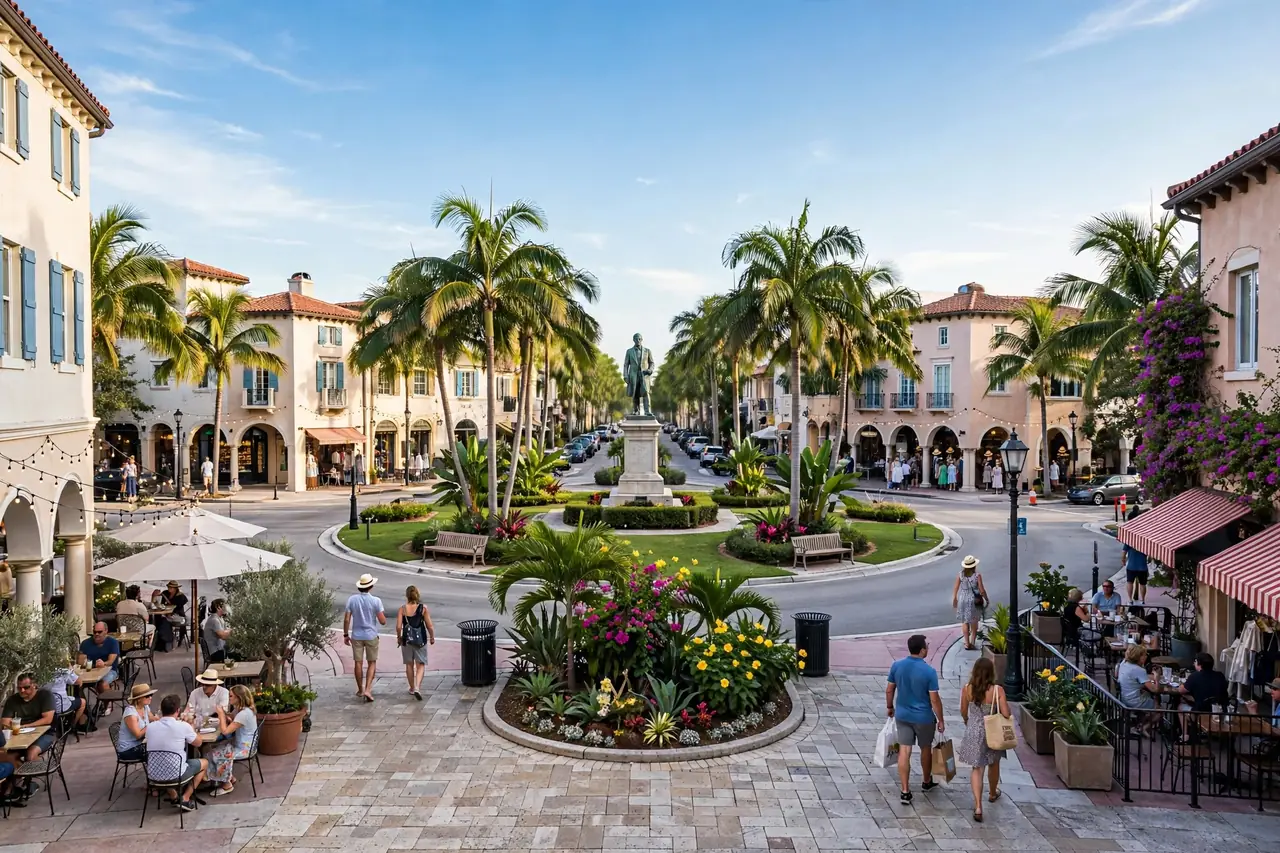
St. Armands Key and Lido Key sit between Sarasota Bay and the Gulf of Mexico, connected to the mainland by bridges and to each other by the commercial heart of St. Armands Circle. It is a beautiful place to live, and a punishing place for buried infrastructure. A sewer lateral here lives a few feet above the water table in sugar-fine sand, in the path of every tropical system that reaches the coast.
Water Table at the Surface
In much of Sarasota County the seasonally high water table rests 0 to 3.5 feet below grade. On the Keys, the ground sits lower and the water sits closer: laterals are effectively submerged for long stretches of the year, especially from June through September when roughly 60 percent of the area's 49 to 53 inches of annual rain falls. Any crack, gap, or separated joint in the pipe becomes a channel for groundwater to pour in. That infiltration is not a minor leak, it adds real volume to the line, and a lateral designed to carry one home's wastewater can be overwhelmed by the water coming in through its own joints.
Storms: Ian, Helene, and Milton
The barrier islands have flooded repeatedly in recent hurricane seasons, including Ian in 2022 and Helene and Milton in 2024. Surge flooding does three things to a sewer lateral at once: it saturates the soil completely, it scours and shifts the sand around the pipe, and it drives sand, shells, and debris into the line through any opening. A lateral that ran clean in May can develop a belly, a separated joint, or a full blockage after a single surge event. That is why we recommend a camera inspection after any storm that puts water on your street or property.
St. Armands Circle: Commercial Laterals Under Pressure
St. Armands Circle is Sarasota's premier shopping and dining district, a ring of boutiques, restaurants, and galleries that draws visitors year-round. The buildings around the Circle sit on some of the oldest commercial infrastructure on the island, and restaurant laterals take a beating that residential lines never see: grease, food solids, and high water volumes flowing through pipes that were laid when the district was still young.
Grease, Surge, and Limited Access
Commercial laterals on the Circle share the island's water-table and surge exposure with every residential line, and add grease loading on top. Grease cools and hardens inside the pipe, narrowing the bore; surge flooding then pushes sand in behind the grease restriction. Access is the third constraint: the Circle's streets, sidewalks, and patios leave almost no room for open excavation. Trenchless lining and bursting are usually the only practical way to rehabilitate a commercial lateral here without shutting down the business above it, see our commercial sewer services for how we sequence island work around business hours.
Bird Key Canal Estates
Just south of St. Armands, the Bird Key canal estates are a different world from the Circle: large waterfront homes on dredged canals, many built from the 1960s through the 1980s with laterals running from the house across the yard to the street main. The lots are generous, but the engineering challenge is the same island story written larger.
Canal Frontage and Lateral Length
Bird Key laterals often run longer than typical residential lines because homes sit deep on their lots with canal frontage behind them. A longer lateral means more joints, and more joints mean more places for groundwater infiltration and root entry. Many of these homes were plumbed in the cast-iron era: the 1960s to 80s subdivisions that define so much of the Key carry cast-iron DWV under the slab and cast-iron or clay laterals to the main. Decades of internal corrosion have roughened those pipes, and the saturated canal-side soil outside them works on the joints from the other direction.
Seawalls, Landscaping, and Open-Cut Limits
Canal-estate lots concentrate enormous investment in seawalls, docks, pools, and landscaping, and the lateral runs underneath it all. Open-cut replacement across a finished canal estate can mean tearing through the most expensive parts of the property. That is the practical argument for trenchless methods: pipe bursting pulls a new pipe through the old one's path with entry and exit pits only, and pipe lining can rehabilitate the existing line without digging it up at all. We walk every Bird Key property with the camera footage and a plan for where the access points go before any work is scheduled.
How Saltwater and Surge Actually Damage Pipe
There is a common misunderstanding that saltwater "eats" buried sewer pipe. The pipe materials themselves, PVC, clay, cast iron, are not meaningfully attacked from the outside by saltwater. The damage is geotechnical: surge and floodwater saturate the fine sand around the pipe, the saturated sand loses its bearing strength, and the pipe settles, shifts, or separates at its joints. Floodwater also carries sand and silt into the line through any opening, building up a blockage that snaking cannot fully clear.
The Post-Storm Inspection Window
After a surge event, homeowners sometimes snake a backed-up line, see it clear, and assume the problem is solved. But snaking clears debris; it does not reveal whether the pipe shifted. A camera inspection after a storm shows bellies that were not there before, joints that opened under settling, and sand deposits that will seed the next blockage. On the Keys, the inspection after the storm is as important as the repair after the failure.
Resort-Season Demand on Island Laterals
The Keys run at their hardest during season. Homes that sit quiet in summer fill with guests from winter through spring, and every additional shower, dishwasher load, and washing-machine cycle is water the lateral must carry. A line with a partial belly or a root intrusion can handle an empty house indefinitely and start backing up the week the guests arrive. If your island home has shown any hint of slow drains in the off-season, a camera inspection before season is the cheapest insurance available, far cheaper than an emergency sewer repair call with a house full of visitors.
Serving St. Armands and Lido Key
We serve every neighborhood on the Keys within the 34236 ZIP, St. Armands Circle and its surrounding streets, Lido Key from the beach parks to the residential south end, and the Bird Key canal estates. We also serve downtown Sarasota, which shares the ZIP but keeps its sewer problems a century older and a mile inland. Island work demands island thinking: water-table-aware diagnosis, surge-history assessment, and trenchless methods sized for tight lots and high-value landscaping.
Call (941) 344-0088 for a camera inspection of your St. Armands or Lido Key lateral.
Sewer Services in St. Armands & Lido Key
Full-service sewer line care for St. Armands & Lido Key homes.
CIPP Pipe Lining
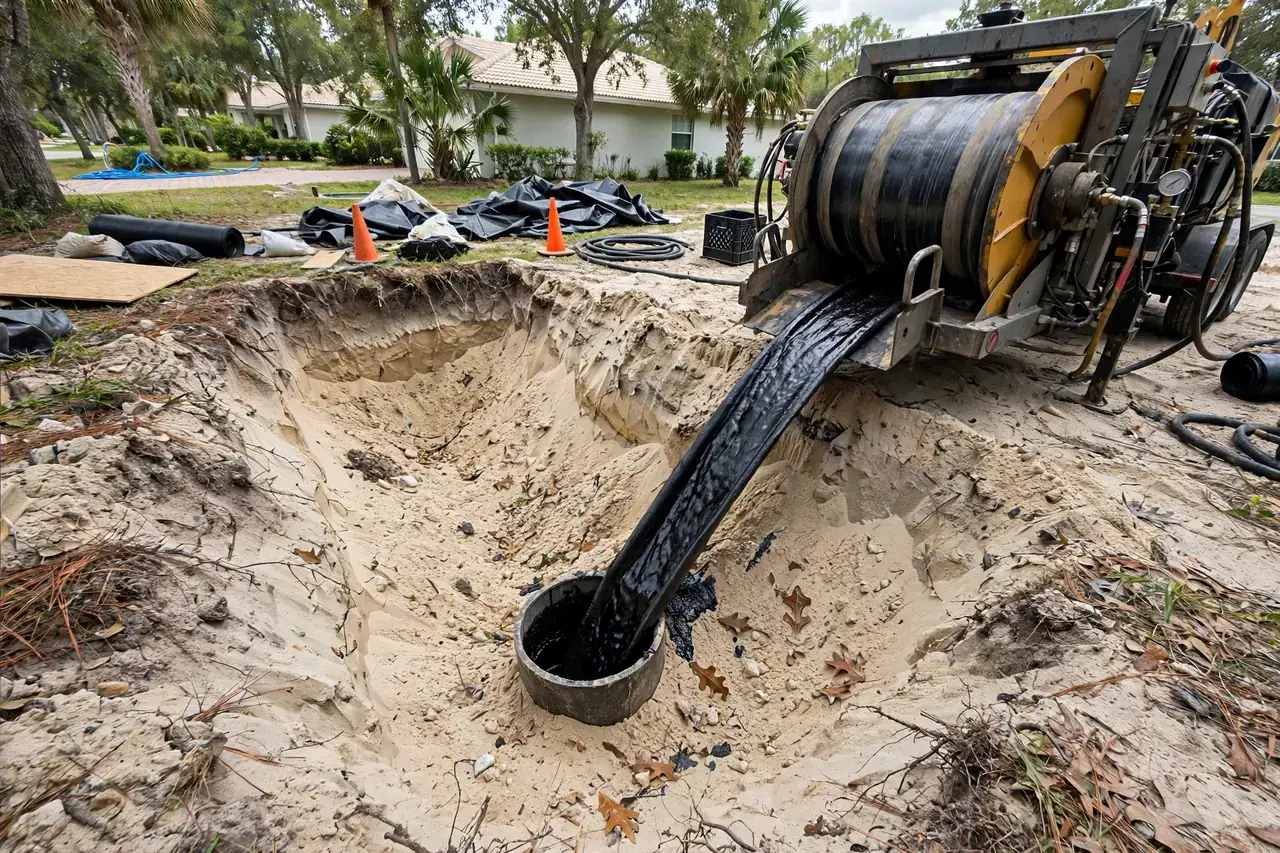
CIPP pipe lining in Sarasota, FL creates a new pipe inside the old one: no trench. Camera inspection, cleaning…
Learn more →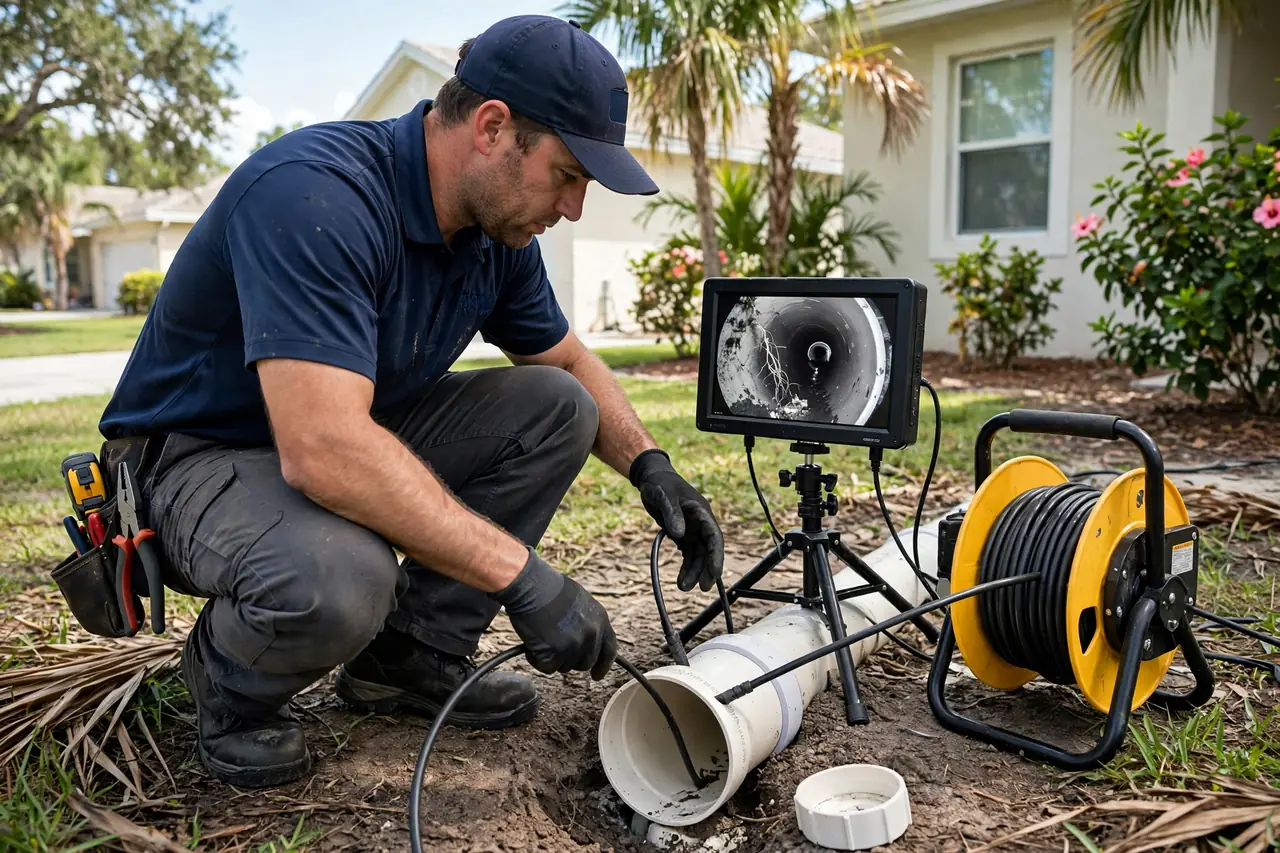
Sewer Camera Inspection
Sewer camera inspection in Sarasota, FL finds roots, scale, bellies & breaks before you dig. HD video diagnosi…
Learn more →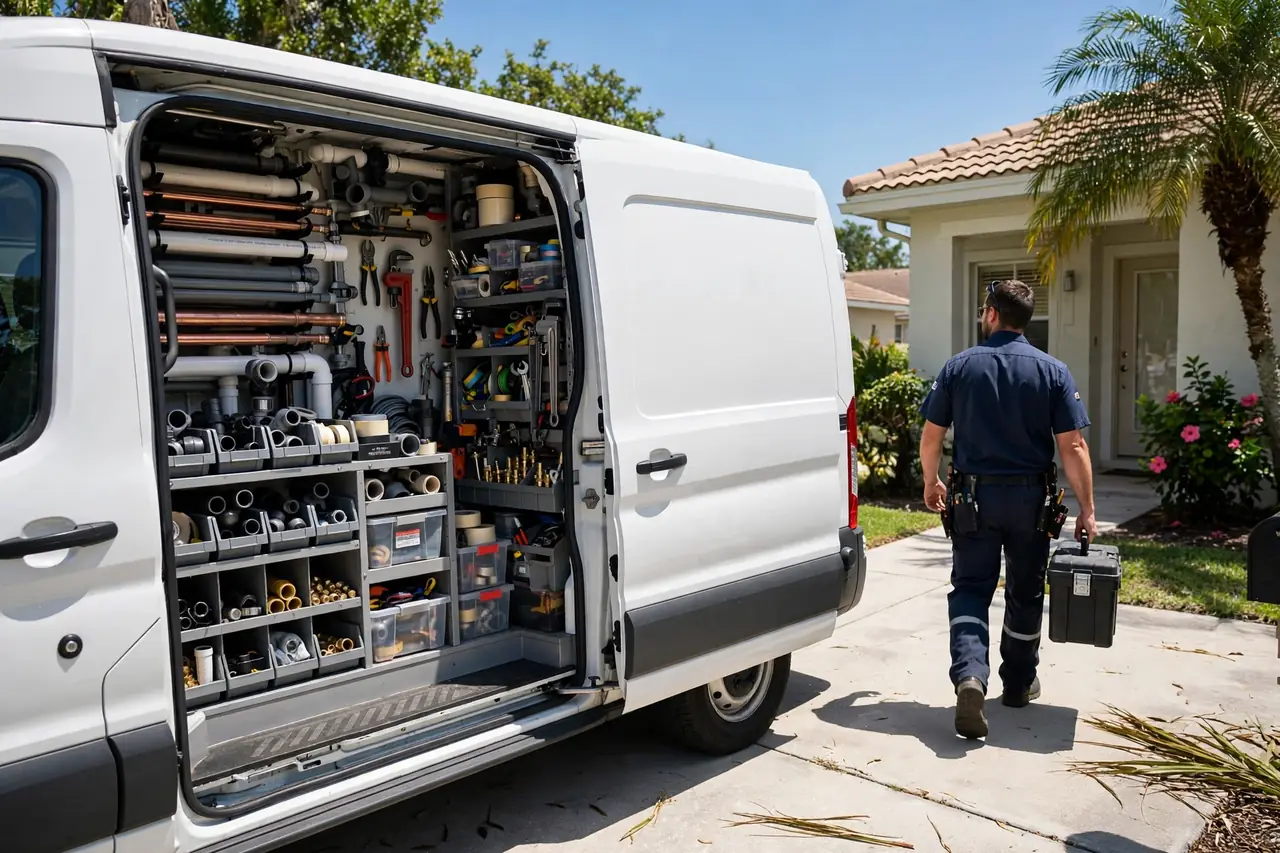
Emergency Sewer Repair
Emergency sewer repair in Sarasota, FL for backups and burst lines. Fast response, camera diagnosis. Call (941…
Learn more →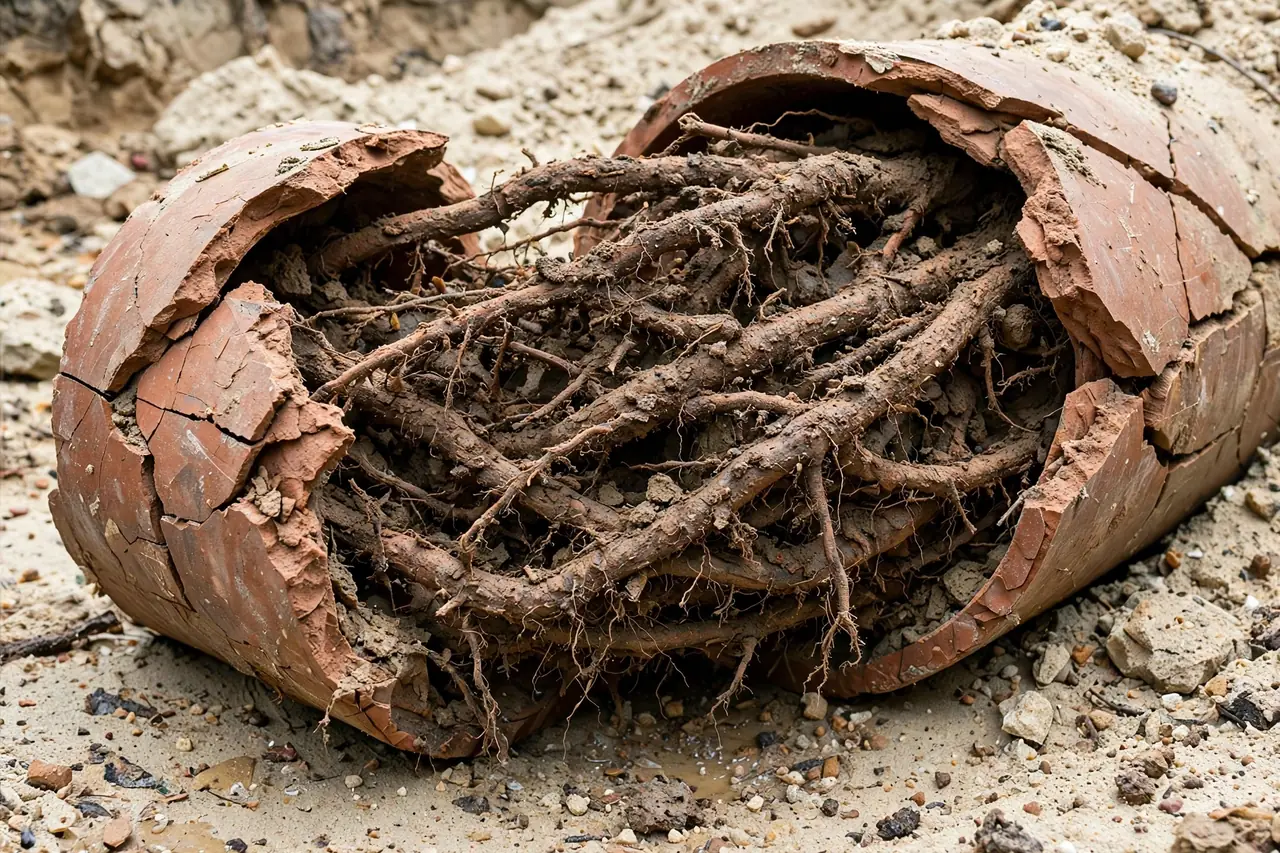
Tree Root Removal
Tree root removal for Sarasota sewer lines: cutting, jetting, and camera verification for live oak and ficus r…
Learn more →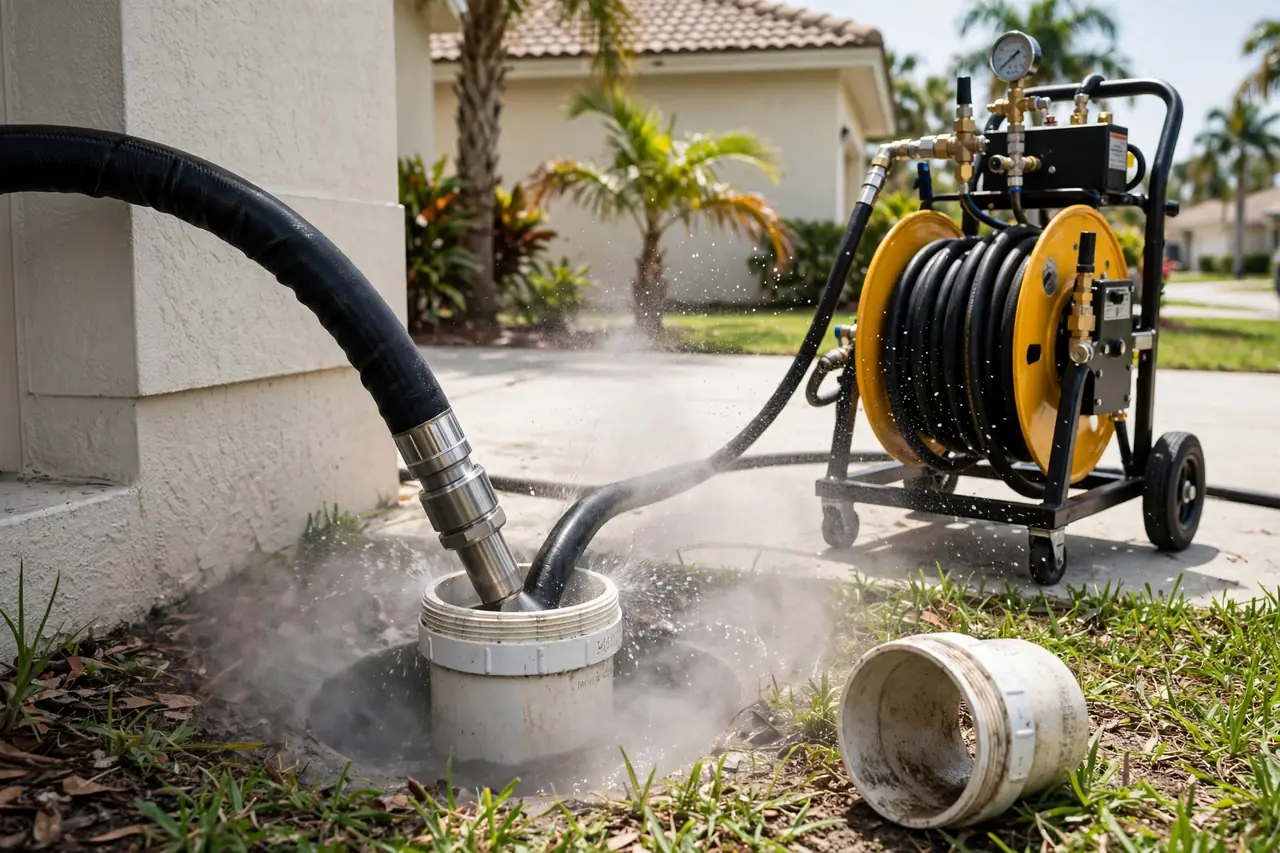
Hydro Jetting
Hydro jetting in Sarasota, FL clears grease, scale, and sand with pressurized water. Camera inspection first. …
Learn more →ZIP Codes Served
Local Sewer Guides
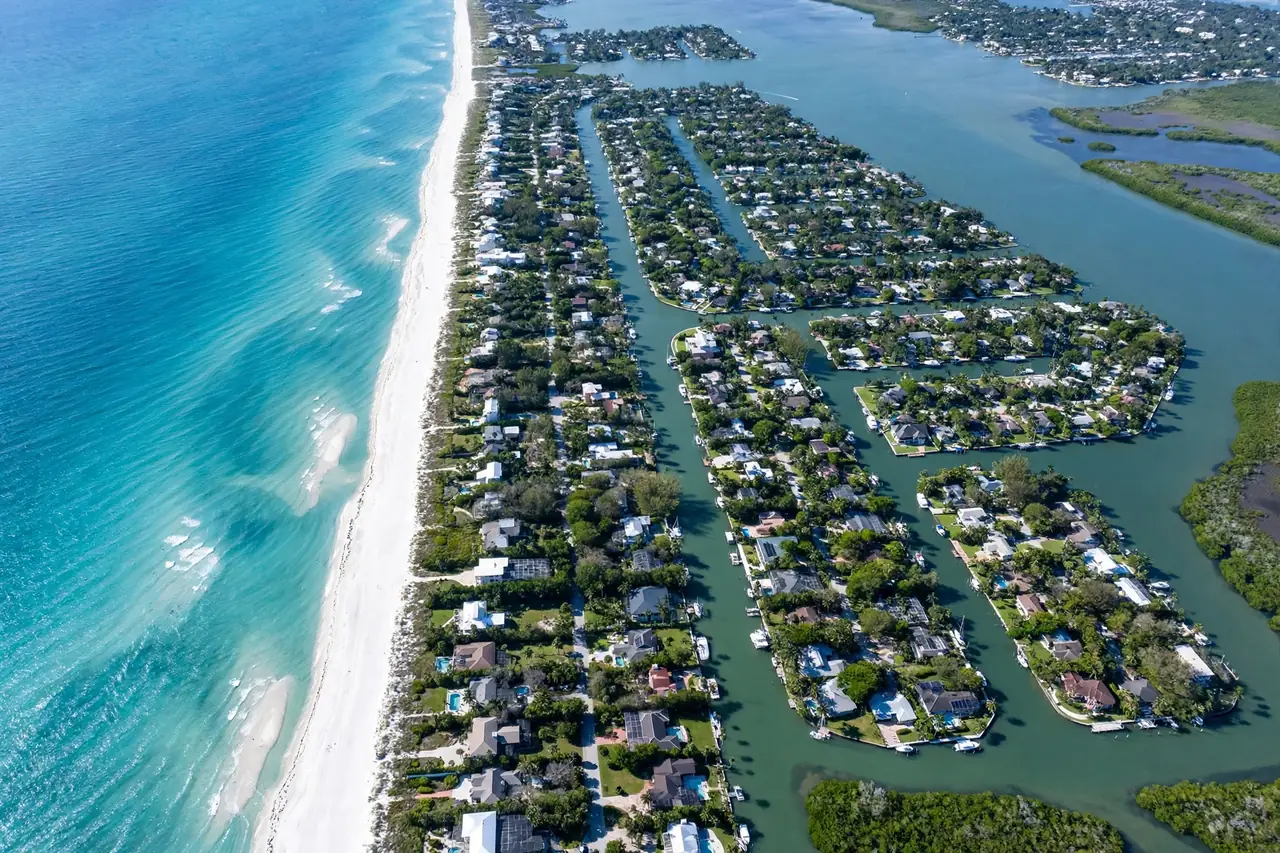
Barrier-Island Sewer Challenges: Siesta Key & Longboat Key
Sewer challenges on Siesta Key and Longboat Key: high water table, sand infiltration, and fixes. Call (941) 34…
Learn more →Sewer Camera Inspection: What Sarasota Homeowners Should Expect
What a sewer camera inspection in Sarasota shows: the process, the footage, and why it matters. Call (941) 344…
Learn more →Frequently Asked Questions
Can storm surge damage my home's sewer line?
Yes, and repeated flooding is one of the harshest things that can happen to a sewer lateral. Surge and floodwater saturate the soil, shift pipe bedding, and scour the material around joints. Floodwater can also push sand and debris into laterals through any opening. After a major storm, a camera inspection is the only way to know whether the line shifted, separated, or just clogged.
Does saltwater corrode buried sewer pipes?
Saltwater itself is not the main threat, the pipe materials resist corrosion from the outside. The real damage comes from what the surge does to the soil: saturated sandy ground loses support, backfill washes away, and buried pipe settles or shifts. Those movements crack joints and create the openings that cause backups.
Is trenchless sewer repair possible on a barrier island?
Trenchless methods are often preferred on the Keys precisely because space is limited. Lining and bursting need only small access pits, so driveways, seawalls, and landscaped canal banks stay intact. If the pipe has collapsed completely or the connection at the main is damaged, open-cut replacement is the fallback.
Why does a high water table cause sewer backups?
High water table means the soil around your lateral is saturated for much of the year, and groundwater can infiltrate cracked or separated joints. Infiltration adds volume to the pipe, overloads the line, and backs up drains, a pattern that shows up worst during the rainy season and after storms.
How often should a barrier-island sewer lateral be inspected?
We recommend having the line camera-inspected after any storm that floods the property or the street. Surge flooding moves soil and pipe together, and a line that ran fine in spring can develop a belly or separated joint by fall. Catching it early keeps a repair small.
Who owns the pipe between my house and the street on a canal lot?
In most canal-front neighborhoods, the private lateral runs from the home to the municipal main in the street, with a branch from the property line. Determining which segment you own usually takes a review of the utility's service maps plus a camera locate. We perform that locate as part of the inspection so ownership is documented, not guessed.
My Lido Key home backed up after the storm. What should I do first?
Schedule a sewer camera inspection first. The footage shows the pipe material, every joint, and any damage from settling or surge, and we review it with you. From there the choice between trenchless lining, pipe bursting, or open-cut replacement follows the condition of the line. Call (941) 344-0088 to set it up.