Sewer Line Repair Under a Sarasota Driveway Without Tearing It Up
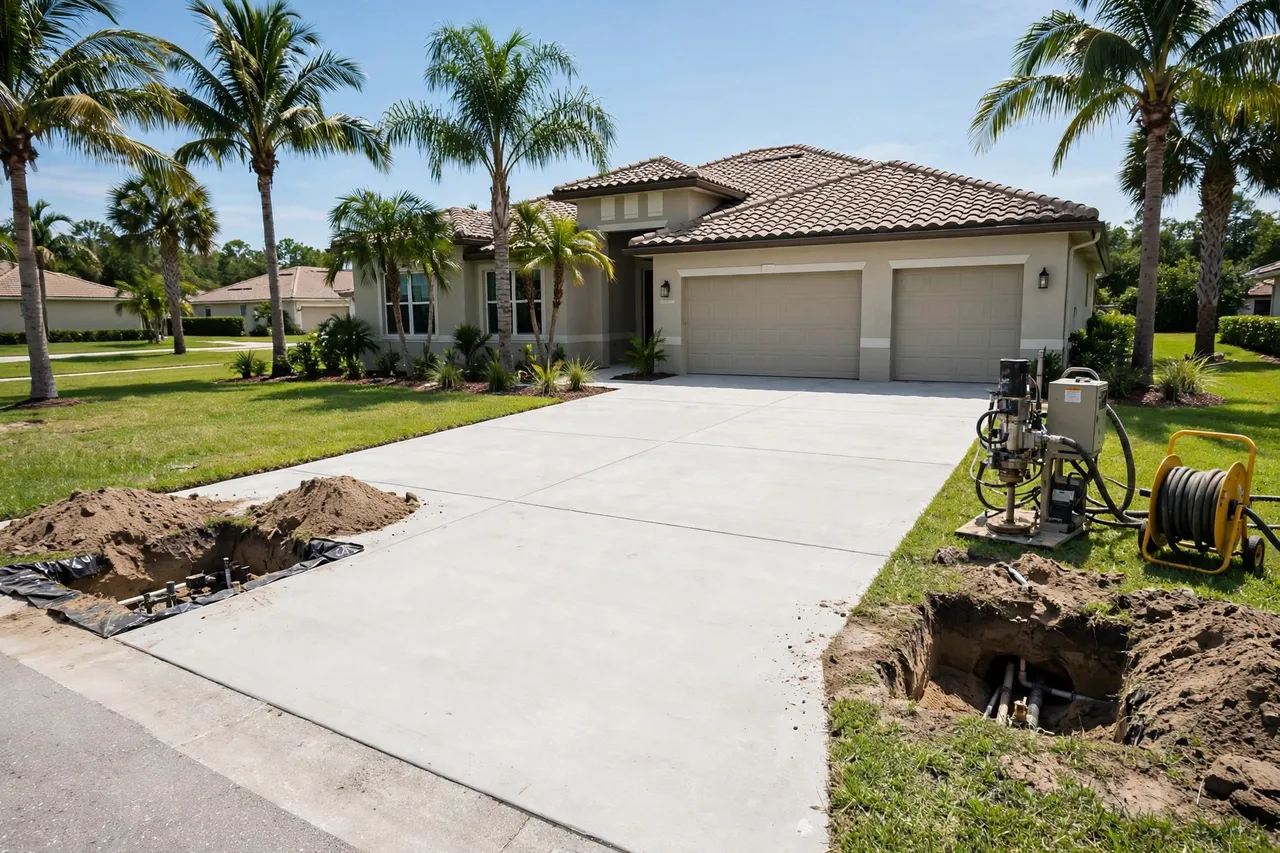
A cracked sewer line under the driveway sounds like a broken slab, a torn up apron, and weeks of patching. In most Sarasota homes it is none of those things. Trenchless methods reach the pipe from pits at the edges, the concrete stays put, and the fix is decided by what a camera shows, not by guesswork.
A sewer line under a Sarasota driveway can usually be repaired without breaking the concrete. A camera inspection first maps the pipe and shows the damage, then pipe lining or pipe bursting fixes the line from access pits at the driveway edges. Digging is only needed when a section has fully collapsed, shifted too far for the equipment to pass, or failed at a connection. The driveway stays drivable through most trenchless jobs, and a final camera pass confirms the repair before the crew leaves.
Why Sewer Lines Run Under Sarasota Driveways
The pipe came first and the driveway came second. When a Sarasota home was built, the sewer lateral took the shortest path from the house to the city main under the street, and the driveway went over that same strip of ground as the direct route from the garage to the road. Nobody poured concrete thinking about the pipe underneath, and for decades nobody needed to.
Many homes in Gulf Gate, Southgate, and Pinecraft still carry original pipe from the 1950s to the 1970s: cast iron under the slab, then clay or cast iron out to the street. Later the driveway got widened or a new slab went in, and the line ended up under even more concrete than it started with. Our guide to cast iron sewer pipe in Sarasota slab homes explains why that older pipe is the one most likely to need attention now.
Concrete hides trouble well. There is no wet patch to see, so the first signs show up inside: drains that slow down together, a toilet that gurgles when the washer drains, or a crack in the slab that keeps widening. Cars pressing down on sandy soil that shifts with the water table separate the joints a little more every rainy season. If those signs sound familiar, read the signs of sewer line failure before you assume the driveway is the problem. Most of the time, the driveway is fine. It is the pipe under it that needs a look.
The Camera Inspection Comes First, Always
Nothing about a line under concrete should be guessed at. A sewer camera inspection sends a small camera through the line from the cleanout, and the footage shows the crack, the sag, the roots, or the collapsed section. A locator above ground tracks the camera head and marks the pipe path and depth on the driveway, so the crew knows where the damage sits before any equipment arrives.
That footage decides the method. A pipe cracked but still open and round can usually be lined. A pipe that has collapsed or gone oval usually needs bursting. A pipe with a deep belly holding water may need a section replaced, because a liner follows the sag instead of fixing it. A line full of silt or scale gets cleaned first, often with hydro jetting, so the camera sees the pipe wall instead of the debris. Our guide to what a sewer camera inspection involves walks through the visit step by step.
Before work starts, the crew should mark what else is buried near the driveway: irrigation lines, electric and gas runs, and the driveway joints. Ask to watch the footage and keep a copy. It is the record of what was wrong, and it is what the final camera pass gets compared against.
Pipe Lining: A New Pipe Inside the Old One
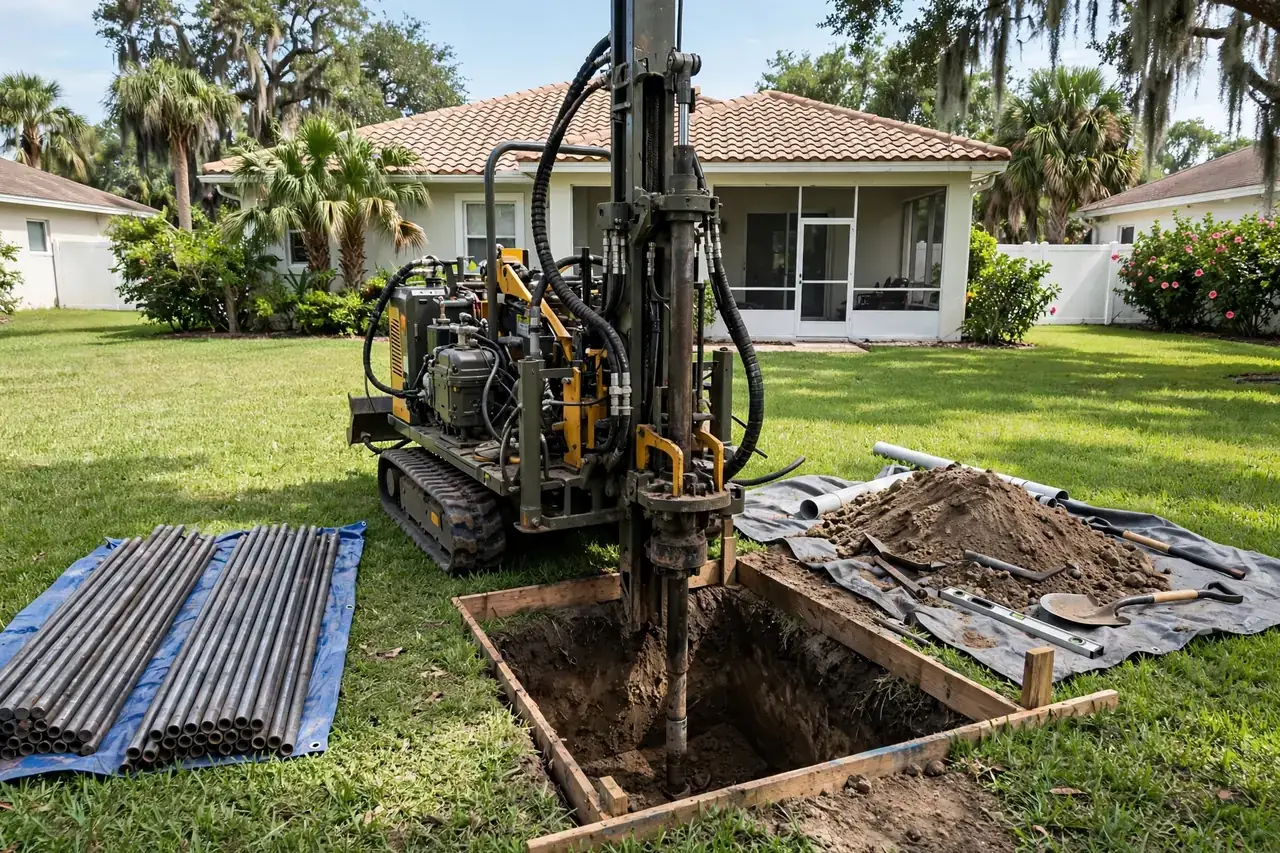
Pipe lining works from inside the old pipe. A flexible liner soaked in resin is fed through the line from an access point, the cleanout or a small pit at the driveway edge, then inflated against the old pipe walls and cured into a smooth new pipe inside the old one. The concrete above never gets touched, because the work happens underground. The liner seals cracks and open joints, stops roots from getting back in, and handles most cast iron and clay failures Sarasota homes see.
Lining fits best when the old pipe is still round enough for the liner to travel: cracked cast iron, separated clay joints, and root intrusion that has been cut back and cleaned. It is a poor fit for a pipe that has collapsed flat, shifted too far at a joint, or sagged into a belly holding water. The diameter loss is small, and the smooth new surface often drains better than the rough old pipe. For the full comparison, see trenchless repair versus traditional digging.
Access is the part homeowners worry about, and it is usually the simplest part. One pit at the driveway edge or an existing cleanout is often all the crew needs, and the liner travels under the slab and the driveway in a single run. Water use pauses while the liner cures. When the cure is done, a camera pass confirms the liner seated fully and the line is open end to end.
Pipe Bursting: A New Pipe on the Old Path
When lining cannot work, pipe bursting can. A bursting head is pulled through the old line from one small pit to another, breaking the old pipe outward as it goes, and a new pipe follows behind it on the same path. The pits sit at the ends of the run, in the lawn at the driveway edge and near the street, so the driveway slab stays intact while the pipe under it is replaced.
Bursting is the answer for pipe that lining cannot save: a collapsed section, a line gone oval, undersized pipe, and Orangeburg fiber pipe that has softened and deformed. The new pipe is modern pipe at the same size or larger, with tight joints roots cannot exploit the way they exploited old clay joints. Our comparison of pipe bursting versus pipe lining lays out which method fits which damage, and why the camera footage, not a preference, should pick between them.
Bursting needs a little more care around a driveway than lining does. The crew checks soil conditions, marks nearby utilities, and confirms the pits have room without crowding the slab edge or garage apron. Sarasota sandy soil is generally favorable, and the concrete above is monitored as the head passes. The job ends with a camera pass, and the pits get backfilled and compacted before the crew leaves.
When Digging Under the Driveway Is Still Needed
Trenchless methods do not fix everything, and an honest plan says so up front. A section that has fully collapsed, a joint shifted too far for the camera to pass, a break at the house connection or the city tap, or a deep belly holding water can all need a targeted excavation. When that happens, the dig should be as small as the problem, not as wide as the driveway.
A targeted dig starts with a saw cut, not a breaker. One panel comes out, the failed pipe is repaired or replaced with sewer line replacement methods, the base is recompacted, and the concrete is repoured to match. Pavers get lifted, stacked in order, and reset with fresh sand. Ask who handles the restore, how the new concrete will be matched, and how long it needs to cure before cars drive on it. Those answers belong in the plan before work starts.
Sometimes the right answer is a mix: dig the one bad section and line the rest of the run. That keeps the excavation to a single panel while the remaining pipe gets sealed without further digging. And if sewage is already backing up into the house, do not wait for a convenient week to sort out methods. Stop using water, keep clear of the affected fixtures, and treat it as emergency sewer repair while the camera work gets scheduled.
What to Ask Before Work Starts on Your Driveway
Five questions will tell you whether a plan respects your driveway. Where will the pits go, and how big will each one be? What did the camera show, and can I see the footage? Why this method and not the other trenchless option? What happens to the driveway surface and the irrigation lines near the pits? And what does the final check look like? A crew with a real plan answers all five without hedging.
After the repair, watch the ground near the pits for settling, watch drain speed at every fixture, and keep the before and after footage together. If a panel was repoured, keep cars off it until the cure time passes, and keep the joints sealed so rainwater stops washing sand out from under the slab. If a live oak or ficus sits near the driveway, sealing the joints is what keeps roots out. Our tree root removal page covers the cutting and cleaning that comes before a lining job in a root-prone yard.
This pattern shows up all over Sarasota, from the older slabs of Gulf Gate and Southgate and Pinecraft to the driveways of Palmer Ranch and Bee Ridge. The lots change, but the rule stays the same: the driveway should come through the repair looking like nothing happened, and the pipe under it should be the part that got fixed. That starts with a camera, not a jackhammer.
Published 2026-11-15 · Sarasota Sewer Specialists
Related Sewer Services
Trenchless Sewer Repair
Trenchless sewer repair in Sarasota, FL with minimal digging. Camera diagnosis, pipe bursting & CIPP lining. C…
Learn more →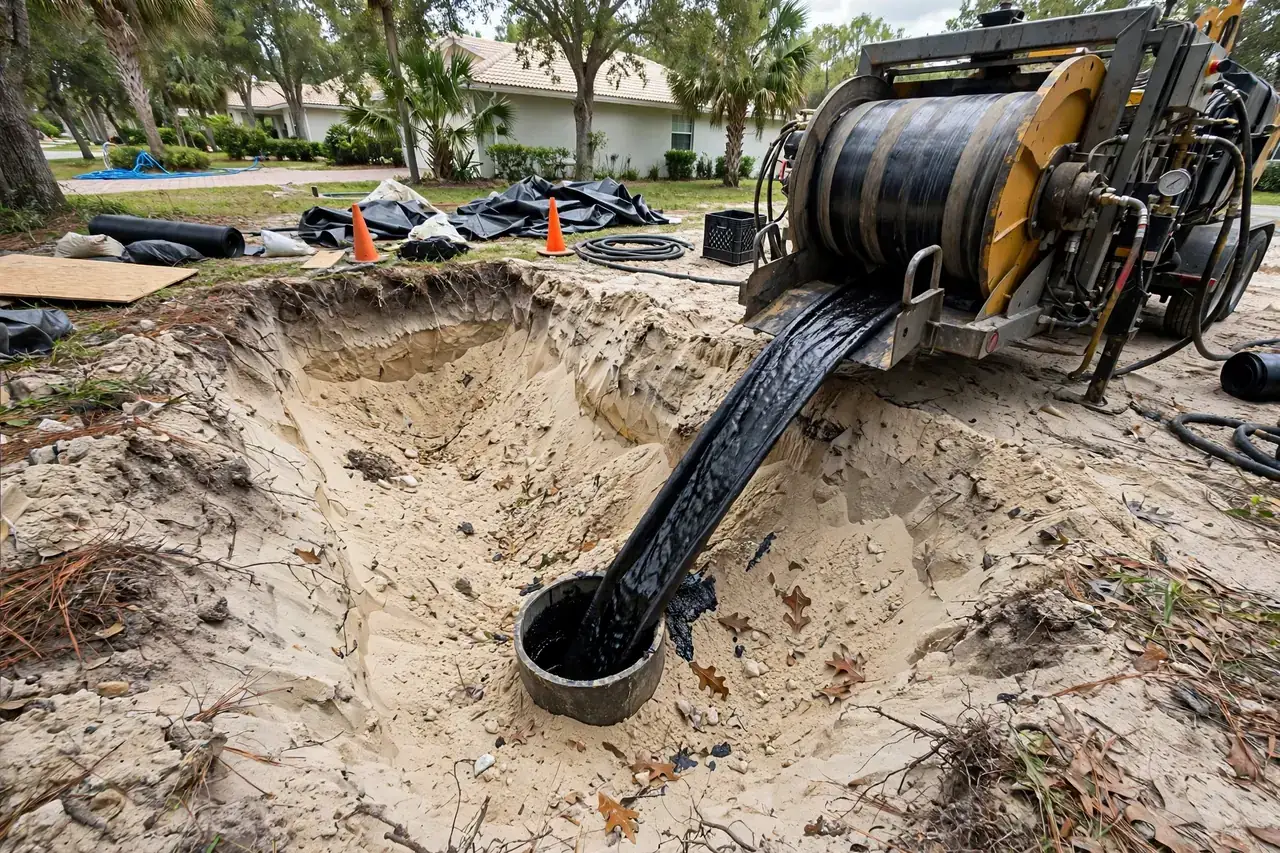
CIPP Pipe Lining
CIPP pipe lining in Sarasota, FL creates a new pipe inside the old one: no trench. Camera inspection, cleaning…
Learn more →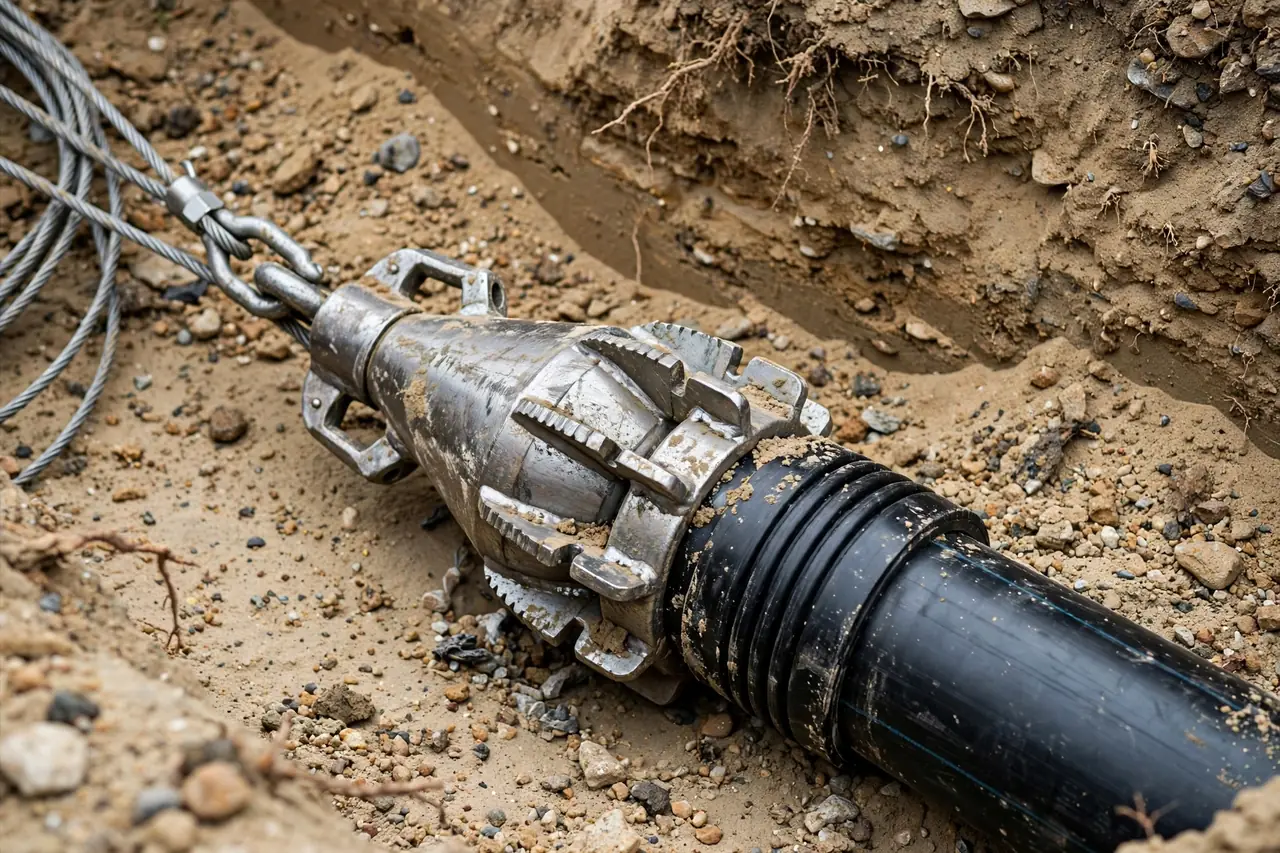
Pipe Bursting
Pipe bursting in Sarasota, FL replaces collapsed sewer lines with minimal digging: new pipe pulled through the…
Learn more →Nearby Service Areas
Frequently Asked Questions
Will sewer line repair crack my Sarasota driveway?
Usually not. Lining and bursting work from pits at the driveway edges, so the slab stays intact and the equipment passes underneath it. A targeted dig is only needed for a fully collapsed or badly shifted section, and then the cut is limited to the affected panel, with the concrete repoured to match.
Can a line under a driveway be lined instead of dug up?
Yes, if the pipe is still open and round enough for the liner to travel. The camera inspection decides. Lining creates a smooth new pipe inside the old one, seals cracks and joints, and needs no trench through the driveway.
How do you find the pipe under concrete without breaking it?
A camera with a locator head travels through the line while a receiver above ground tracks it, marking the pipe path and depth on the driveway surface. The crew can map the whole run under the concrete before any repair starts.
What if the pipe has collapsed under the driveway?
Pipe bursting through pits outside the driveway is often still possible, since the new pipe follows the old line path. If the collapse is too severe for bursting equipment to pass, a targeted spot repair at the failed section is the fallback, limited to one panel where possible.
How long does a driveway sewer repair take?
A lining or bursting run under a driveway is often completed in a single visit, with the crew gone and the water back on before the day ends. Jobs that need a targeted dig, a longer burst, or a repoured panel can run longer, and rain or a silted line can add time. The camera inspection gives a firmer timeline than any guess made from the surface.